
How to remove pet hair from furniture and carpets usually comes down to two things: friction and timing, meaning you need the right tool to break the cling, and a routine that stops hair from building up again.
If you live with a dog or cat, you already know the frustrating part, you vacuum, it looks fine, then a day later the couch seams and rug edges look fuzzy again. That’s not you “missing a spot,” it’s how hair holds onto fabric, especially when static and body oils join the party.
This guide gives you a realistic playbook, what works on upholstery vs. carpet, what to try when your vacuum “does nothing,” and how to prevent the cycle so cleaning feels less like a second job.
Why pet hair sticks so stubbornly (and why vacuuming alone can fail)
Pet hair behaves differently from dust. It’s longer, it tangles, and it grabs fabric fibers, so a standard vacuum pass can skim the top while leaving the hair woven into the pile.
- Static cling: Dry air and synthetic fabrics can make hair cling like a magnet.
- Fabric texture: Microfiber, velvet, and tightly woven upholstery often “trap” hair in the nap.
- Oils and dander: Natural oils can help hair stick, especially where pets sleep most.
- Edge buildup: Hair drifts to corners, baseboards, and along rug borders where airflow is weaker.
According to the American Lung Association, regular cleaning and good filtration can help reduce exposure to pet dander and other allergens. If allergies are part of your concern, tool choice matters even more, because you want hair removed, not just redistributed.
Quick self-check: what are you cleaning, and what’s the “hair type”?
Before you buy another gadget, take 30 seconds to classify what you’re dealing with. It changes the method.
Surface checklist
- Upholstery: microfiber, woven fabric, leather/faux leather, velvet
- Carpets/rugs: low-pile, medium-pile, high-pile, loop/Berber, area rug on hard floors
Hair checklist
- Short, stiff hair (often “needles” into fabric)
- Long, soft hair (tangles into clumps)
- Undercoat shedding (fine fuzz that forms a layer)
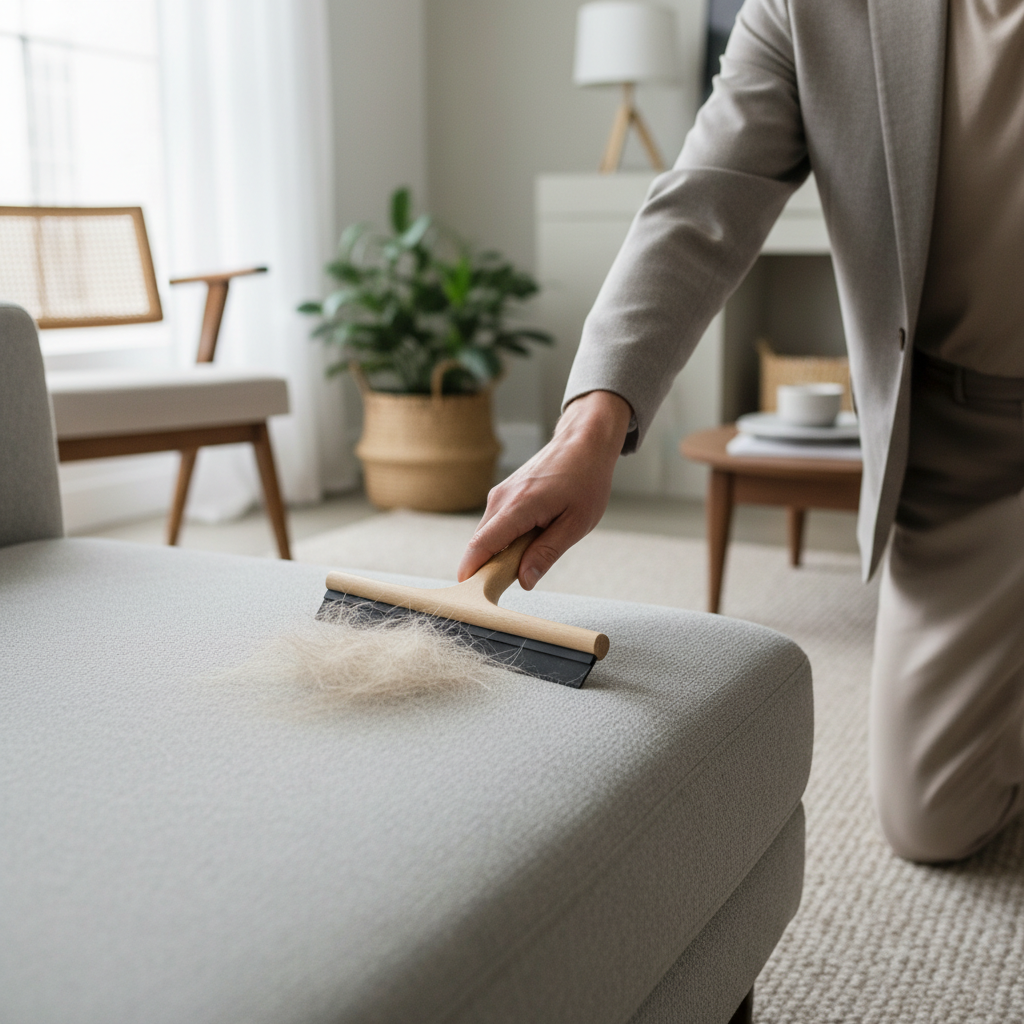
If you’ve tried vacuuming and the hair still looks “woven in,” you likely need a rubber or silicone tool to lift it first, then vacuum to remove what you lifted.
Tools that actually work (and when to use each)
There isn’t one magic tool, but there is a reliable combo. Think: loosen, lift, then capture.
| Tool | Best for | Watch-outs |
|---|---|---|
| Rubber squeegee or rubber brush | Carpets, rugs, fabric sofas, car mats | Test on delicate fabrics to avoid fuzzing |
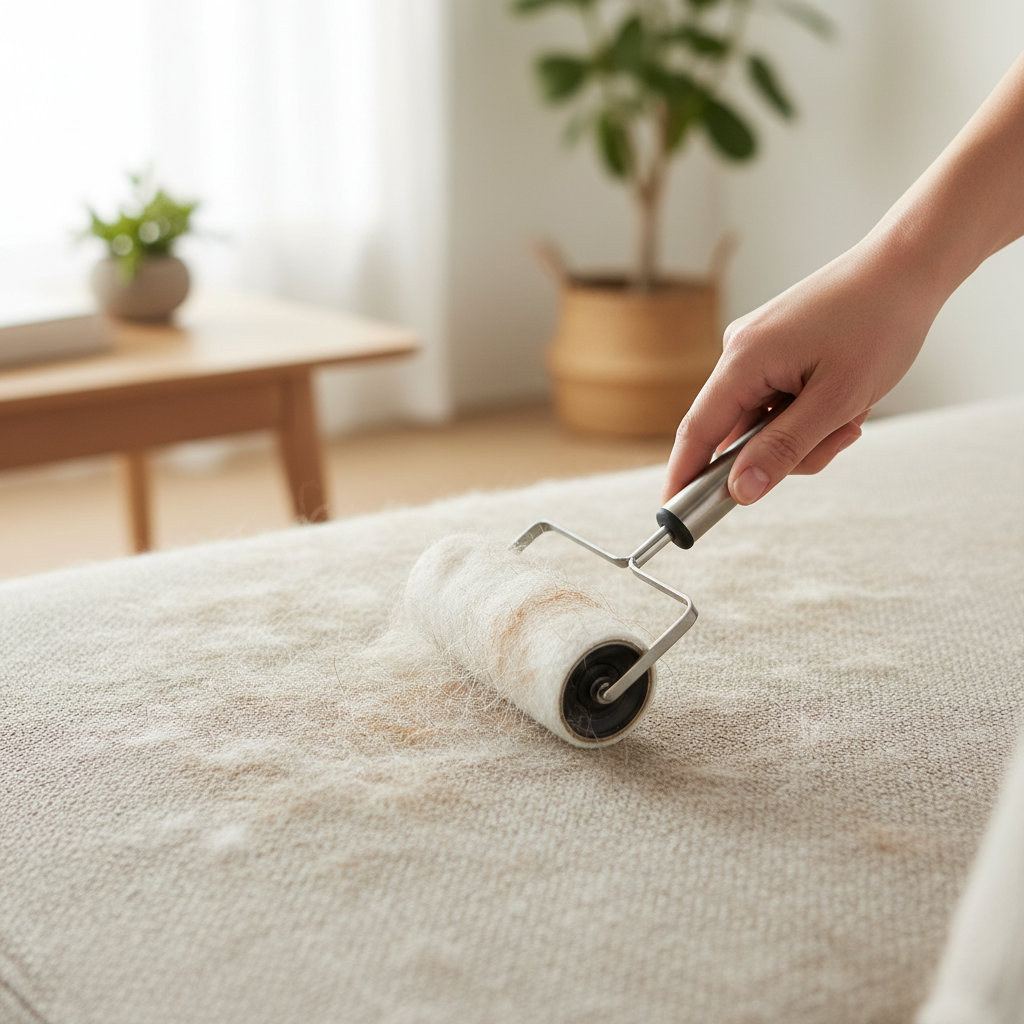
| Lint roller (extra-sticky) | Pillows, arms of sofas, quick touch-ups | Refills add up, not ideal for whole-room jobs |
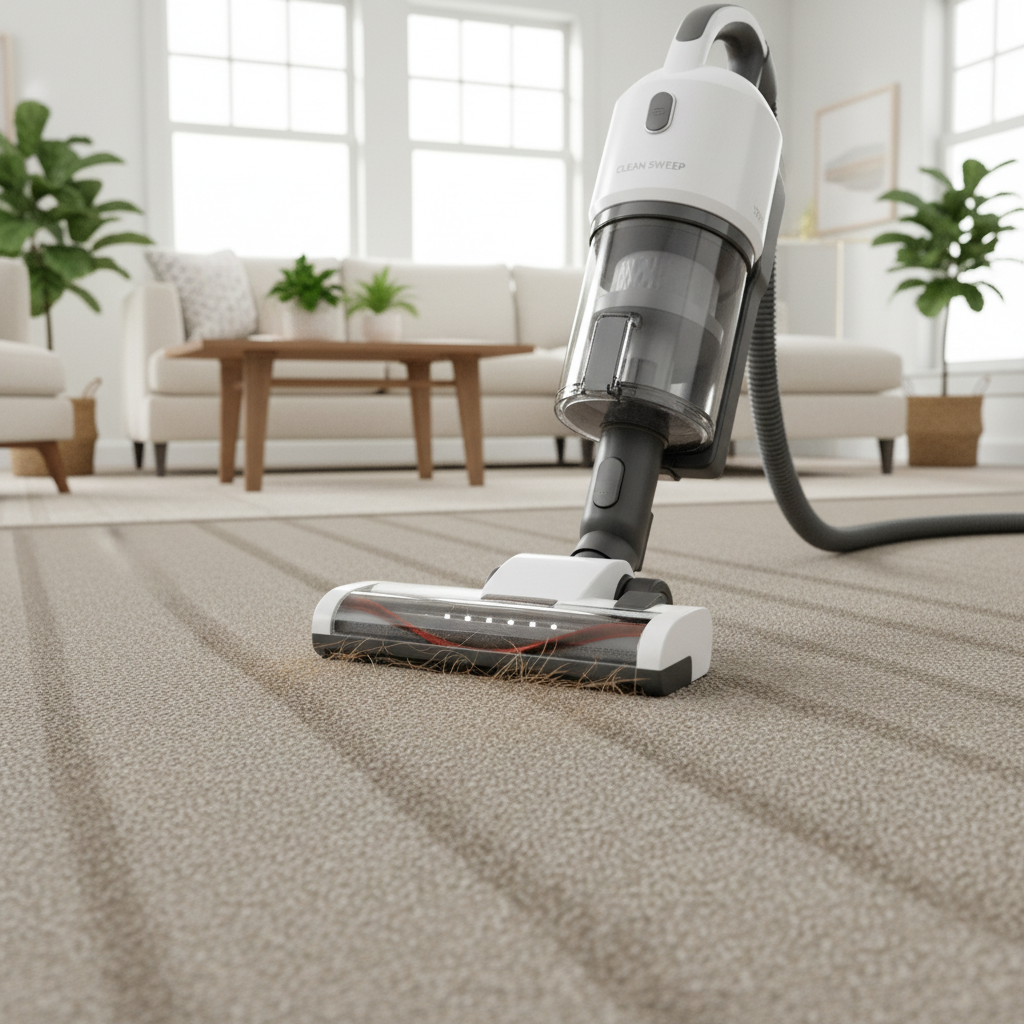
| Vacuum with motorized brush | Carpets, some upholstery tools | Can “snowplow” hair if suction/airflow is weak |
| Pet-hair upholstery tool | Couches, stairs, fabric chairs | Cheaper ones may clog fast |
| Microfiber cloth (slightly damp) | Leather/faux leather, smooth surfaces | Avoid soaking seams, moisture should be minimal |
Key point: if you want to know how to remove pet hair from furniture and carpets efficiently, start with rubber for “lift,” then finish with vacuum for “capture.” Doing it in reverse often wastes time.
Step-by-step: how to remove pet hair from furniture (by material)
Furniture is where hair embeds and where people tend to over-scrub. The goal is to lift hair without roughing up the fabric.
Fabric upholstery (woven, microfiber)
- Lift pass: Use a rubber brush or squeegee in short strokes, one direction, then the opposite direction to pull hair into lines.
- Gather: Pick up clumps by hand or with a lint roller, this keeps your vacuum from clogging instantly.
- Vacuum pass: Use an upholstery attachment, slow passes, overlap like mowing a lawn.
- Finish: A slightly damp microfiber cloth can catch stragglers, but keep it barely moist.
Velvet or delicate nap fabrics
- Start with a gentle upholstery tool or a soft rubber brush, light pressure only.
- Test a small hidden area first, some tools can alter the nap direction and make a patch look different.
Leather and faux leather
- Wipe with a dry microfiber cloth first, then a lightly damp cloth to pick up fine hairs.
- Hair hides in seams, a vacuum crevice tool (low suction if possible) helps without scratching.
If you’re asking how to remove pet hair from furniture and carpets because your couch “re-grows hair,” check the underside of cushions and the seam channels, that’s where hair keeps migrating from.
Step-by-step: how to remove pet hair from carpets and rugs (without damaging fibers)
Carpet hair removal works best when you combine a lifting tool with a vacuum that has enough agitation and airflow.
For low- to medium-pile carpet
- Dry lift: Pull a rubber squeegee toward you in long strokes to create hair windrows.
- Pick up clumps: Toss them before vacuuming, your vacuum will stay stronger longer.
- Vacuum slowly: Two passes in different directions, slower than you think you need.
- Edges and corners: Use the crevice tool along baseboards where hair collects.
For high-pile rugs or shag
- Avoid aggressive rakes that can snag, use a gentler rubber brush and lighter pressure.
- If your vacuum has height adjustment, raise it slightly so it doesn’t stall and overheat.
For loop/Berber carpets
- Be careful with stiff brushes, loops can pull. Favor suction and gentle rubber tools.
- If you see fuzzing or pulled loops, stop and switch methods.
When people say “my vacuum doesn’t pick up hair,” many times it’s a mix of too-fast passes and hair already tangled into the fibers. Lift first, then vacuum, and you’ll usually see a big difference.
Practical routines that keep hair from building up again
Once you know how to remove pet hair from furniture and carpets, the next win is reducing how often you need deep clean sessions.
- Brush your pet regularly: Less loose hair means less hair on surfaces, frequency depends on coat type.
- Use washable throws: Put them where your pet sleeps, wash weekly, and you’ll protect the upholstery underneath.
- Do “2-minute resets”: Lint roll the favorite spot on the couch every couple days, it prevents the big weekend cleanup.
- Control static: In dry seasons, a humidifier may reduce cling in many homes, but keep humidity at a comfortable, mold-safe range.
- Vacuum smarter: Focus on pet pathways, couch fronts, rug edges, and under tables where hair drifts.
Key takeaways: lift with rubber, vacuum slowly, target pet zones, and use washable layers so hair lands on something you can toss in the washer.
Mistakes that waste time (and what to do instead)
- Relying on one tool: A vacuum alone often misses embedded hair, pair it with a lifting step.
- Using too much water: Wetting carpet or upholstery can push hair deeper and may create odor issues, keep moisture minimal.
- Scraping delicate fabric: Some brushes can fuzz upholstery, test in a hidden spot.
- Skipping vacuum maintenance: Clogged filters, full bins, or tangled brush rolls reduce suction and agitation quickly.
According to the U.S. Environmental Protection Agency, good indoor air quality often starts with controlling sources and maintaining cleaning equipment, which includes keeping filters and airflow paths in working order. If your vacuum smells dusty or seems weak, maintenance can matter as much as technique.
When it’s time to get professional help (or a different approach)
Most hair problems are DIY-fixable, but there are a few cases where calling a pro or changing strategy makes sense.
- Severe allergy symptoms: If someone in the home reacts strongly, consider talking with a healthcare professional, and prioritize HEPA filtration and a cleaning plan you can sustain.
- Old embedded hair + stains: Deep extraction cleaning may help, especially if hair is mixed with oils and spills.
- Delicate rugs or valuable upholstery: Specialty fibers can be easy to damage, a reputable cleaner can advise on safe methods.
If you rent, it can also be worth checking your lease, some properties have carpet care requirements that affect what products and machines you can use.
Conclusion: a simple “lift, capture, maintain” plan
If you take one thing from this, let it be this, how to remove pet hair from furniture and carpets gets easier when you stop treating it like one job. Lift hair with rubber or a purpose-built tool, capture it with a vacuum that has good airflow, then maintain with quick touch-ups in the spots your pet loves most.
Try a small reset this week: do one lift-and-vac pass on your main rug, and put a washable throw on the couch. You’ll feel the difference fast, and future cleanups stop being such a grind.
FAQ
- What removes pet hair from a couch best if I don’t want to buy anything new?
Try a slightly damp microfiber cloth or a rubber dish glove and wipe in one direction to gather hair, then vacuum with an upholstery attachment. - Why does pet hair come back right after I vacuum?
Hair often sits in seams, under cushions, and along rug edges, once you sit or walk, it migrates back up. Target those “reservoir” zones during cleaning. - Is a rubber squeegee safe for all carpets?
It works well for many cut-pile carpets, but on loop/Berber styles it can snag. Test gently in a corner before doing the full area. - Do anti-static sprays help with pet hair?
They can reduce cling on some fabrics, but results vary by material. If you use any product, spot-test first and follow label directions. - How often should I vacuum with pets?
Many households do better with smaller, more frequent sessions in high-traffic pet areas rather than one long weekly vacuum, your schedule and shedding level decide the cadence. - What vacuum features matter most for pet hair?
Strong airflow, a brush roll that resists tangles, and a usable upholstery tool usually matter more than extra “modes.” Maintenance access is a big deal too. - Can pet hair in carpet affect indoor air quality?
It can contribute to allergens in some homes, especially when mixed with dander and dust. If this is a concern, consider HEPA filtration and talk with a professional for personalized guidance.
If you’re tired of re-cleaning the same spots, a more convenient setup often comes from matching one reliable lifting tool with a vacuum attachment you actually like using, then building a quick routine around your pet’s favorite “hair zones,” not your whole house.