
easy DIY home decor ideas with thrifted items work because you’re not starting from zero, you’re starting with something that already has shape, texture, and a little personality, you just need to nudge it into your style.
If you’ve ever walked into a thrift store feeling overwhelmed, bought something “maybe,” then watched it sit in a corner for months, you’re not alone. The trick is knowing what pieces are worth the effort, and what upgrades give you the fastest visual payoff without turning your weekend into a full renovation.
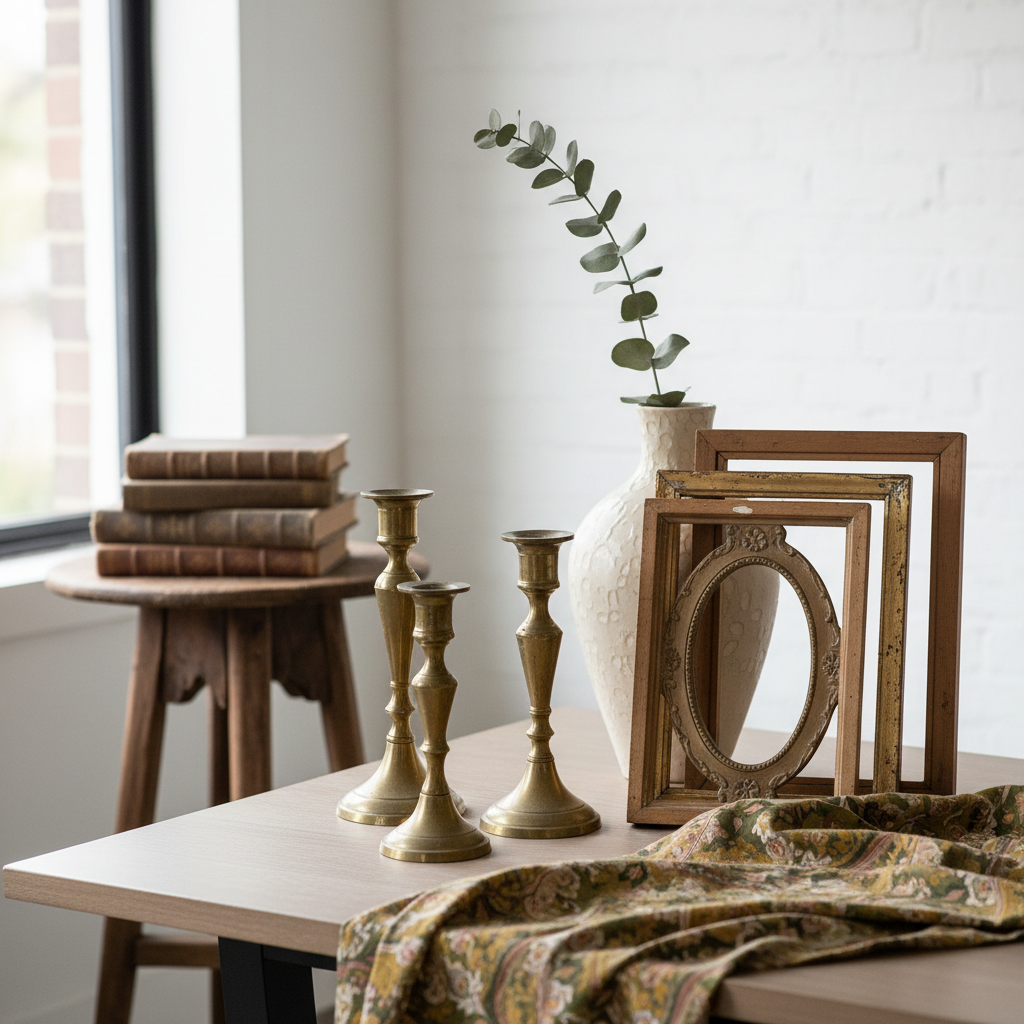
This guide focuses on practical, low-drama DIYs you can finish in an afternoon, plus a simple way to decide what to grab in-store, what to leave behind, and how to make mismatched finds look like a planned collection.
What to Thrift (and What to Skip) for Quick Decor Wins
Not every thrifted item makes a good DIY base. You want pieces that are easy to clean, easy to update, and hard to “mess up.” When a project depends on perfect measurements, specialty tools, or rare hardware, it stops being fun fast.
- Usually worth buying: solid wood frames, mirrors, lamp bases, small side tables, baskets, ceramic vases, candlesticks, trays, hardcover books, planters.
- Approach with caution: upholstered items, mattresses, pillows, anything with strong odors, and electronics with missing parts.
- Easy “no” signs: active rust that flakes, warped particleboard, mold spots, cracks that compromise structure, wobbly joints you can’t tighten.
According to CDC, items with visible mold should be cleaned safely and thoroughly, and in many cases it’s better to discard porous materials that can’t be fully sanitized. If you’re sensitive to dust or mold, consider gloves and a mask during cleaning, or skip those categories entirely.
A Simple Thrift-Store Checklist (So You Don’t Buy Future Clutter)
Most thrift regret comes from buying a “cool object” without a job. Use this quick check while you’re still in the aisle, it keeps your cart realistic and your projects finishable.
Ask these five questions before you buy
- Where will it live? Name the room and the surface or wall it goes on.
- What’s the upgrade plan? Paint, polish, reframe, rewire, line, or leave as-is.
- Can I clean it fast? If it needs hours of soaking or specialty cleaners, it may stall.
- Is the material forgiving? Solid wood, glass, metal, and ceramics tend to be easier than laminate and fragile composites.
- Do I already own something similar? If yes, only buy if it’s clearly better or fills a gap.
Key point: the best easy DIY home decor ideas with thrifted items start with a clear destination, not a vague vibe.
Fast DIY Upgrades That Make Thrifted Finds Look Expensive
You don’t need complicated techniques, you need high-impact finishing. A small change repeated in a few spots often looks more “designed” than one big statement that doesn’t match anything else.
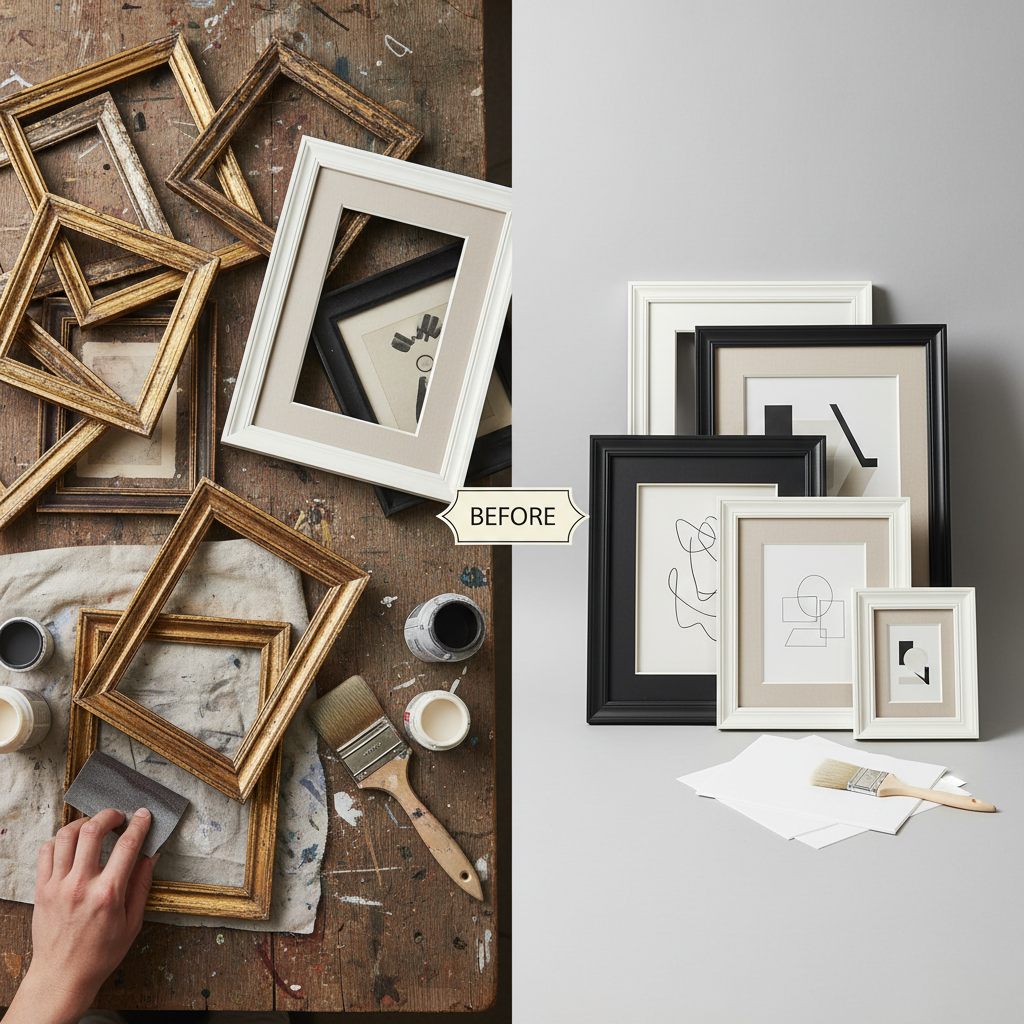
1) Frame refresh: paint + new backing
- Wipe down, lightly scuff glossy finishes, then paint in one consistent tone (warm white, soft black, muted olive).
- Swap the backing for linen-like paper or matte board, even cheap prints look better when they sit flat.
- Group 3–6 frames, mix sizes but keep the finish consistent.
For rentals, use removable hanging strips when possible, and follow the wall surface guidance on the product label.
2) Lamp glow-up: shade swap and cord management
A thrifted lamp base with a fresh shade is one of the quickest “adult home” upgrades. Stick to a simple drum shade or slightly tapered shade in linen or paper texture.
- Pick a shade size that covers the harp and feels proportional, many stores let you test-fit.
- Hide excess cord with a floor cord cover or route behind furniture.
- If wiring looks damaged, don’t DIY guesswork, a lamp repair shop or electrician may be the safer call.
3) Brass, chrome, and wood: clean, don’t over-paint
Some finishes look better with cleaning and gentle polishing than with paint. Paint can look great, but on the wrong base it chips and screams “DIY.” Try cleaning first, then decide.
- Metal: mild cleaner, then polish as needed, test in a small spot.
- Wood: clean, then use a wipe-on oil or wax for a softer sheen.
- Ceramic: dish soap and warm water, avoid abrasive scrubs on glossy glaze.
Room-by-Room Easy Projects You Can Finish in a Weekend
Here’s where easy DIY home decor ideas with thrifted items get practical. Pick one room, pick one “anchor” DIY, then add one or two supporting pieces so it feels intentional.
Living room: thrifted tray + books + small sculpture
- Use a tray to “contain” remotes and candles.
- Add 2–3 hardcover books in a similar color family, then one small object on top.
- Keep height variation, but don’t stack ten tiny trinkets.
Bedroom: matching bedside moment without matching furniture
- Find two similar-height tables, paint them the same color to fake a set.
- Use matching lampshades, even if the bases differ.
- Add one framed print above each side or one wide piece centered.
Kitchen: thrifted art and functional containers
- Frame vintage food illustrations or simple line art.
- Use thrifted glass jars for dry goods, label cleanly for a tidy look.
- Skip anything that can’t be sanitized easily, especially porous wood with deep grooves.
Bathroom: baskets + a better mirror frame
- Use baskets for rolled towels or extra toiletries.
- Upgrade a plain builder mirror by framing around it, or hang a thrifted mirror if wall type allows.
- For humidity-prone spaces, seal raw wood so it doesn’t swell.
Quick Reference Table: Thrift Find → DIY Upgrade → Best Use
If you want a cheat sheet, this is the one to screenshot. It helps you walk in with a plan and walk out with projects that actually get finished.
| Thrifted item | Easy upgrade | Where it looks best | What to watch for |
|---|---|---|---|
| Picture frame | Paint + new mat/backing | Gallery wall, shelves | Warped backing, cracked glass |
| Lamp base | New shade + clean hardware | Nightstand, console | Frayed cord, loose socket |
| Side table | Sand + stain or paint | Sofa side, entry | Wobble, water damage |
| Basket | Vacuum + liner | Bathroom, closet, living room | Odor, broken weave |
| Mirror | Frame refresh or rehang | Entry, bedroom | Chipped edges, weak hanging hardware |
Cleaning, Safety, and “Please Don’t Skip This” Prep
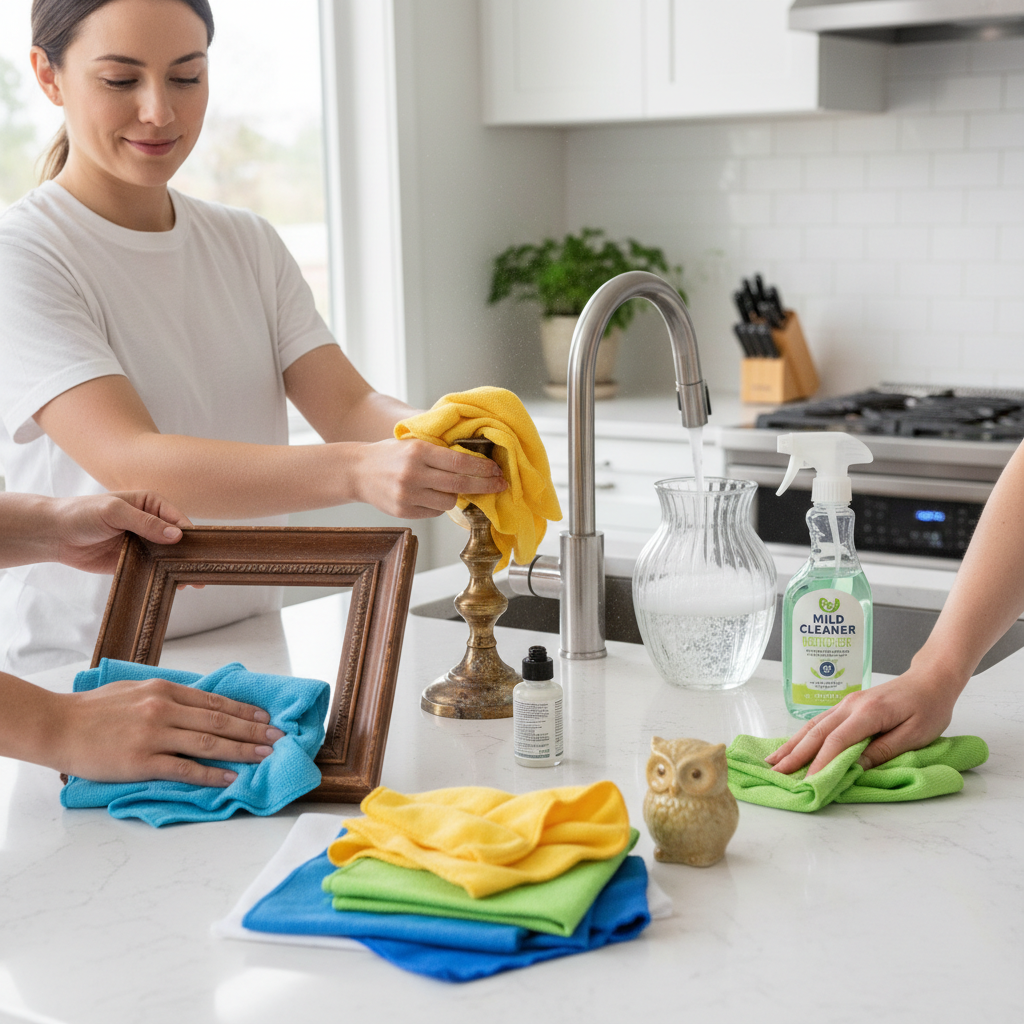
Prepping thrift finds is the unglamorous part, and also the part that keeps your home from smelling like someone else’s attic. A quick clean also shows you what you truly bought, scratches, stains, wobbles, all of it.
- Hard surfaces (glass, metal, sealed wood): mild soap and water, then dry fully.
- Unsealed wood: avoid soaking, use a barely damp cloth, then let it air dry.
- Textiles: if you buy them, wash or dry-clean based on care labels; when labels are missing, test gently or consult a cleaner.
- Pests/odors: if you suspect pests, it’s often smarter to pass on the item than bring it inside.
For anything electrical, safety matters more than aesthetics. According to U.S. Consumer Product Safety Commission (CPSC), electrical hazards and fires can be linked to damaged cords and faulty wiring, so if a thrifted lamp looks questionable, replacing parts or getting help can be worth it.
Common Mistakes That Make Thrifted Decor Look “Random”
This is where many DIYs fall apart, not because you lack taste, but because small inconsistencies add up. You can fix most of them without buying more stuff.
- Too many finishes at once: pick one dominant metal (brass or chrome) and one wood tone, then let outliers be rare.
- Everything is small: add one larger piece, a big frame, tall vase, or oversized bowl to anchor the grouping.
- Over-distressing: “antique” looks better when it’s subtle, heavy sanding often reads craft fair.
- No negative space: shelves need breathing room, leave gaps on purpose.
- Buying duplicates without a plan: if you already have three vases, a fourth needs a specific job.
If your room feels cluttered, try removing 20% of the small objects, then re-style using a tray or a stack of books as a base. This small edit is boring, but it works.
Wrap-Up: A Realistic Way to Start (and Actually Finish)
The most satisfying easy DIY home decor ideas with thrifted items come from a tight plan: one room, one anchor piece, and one repeatable finish that ties everything together. You don’t need a cart full of “projects,” you need two or three wins that make the space feel calmer and more you.
If you want a simple next step, pick one category to hunt this week, frames or lamps are the easiest, then set a finish rule before you go, like “matte black” or “warm brass,” and stop when you have enough for one surface.
Key takeaways: start with cleanable materials, give every find a destination, and prioritize upgrades that change silhouette and lighting over fussy details.
FAQ
What are the easiest thrifted items to DIY for beginners?
Frames, vases, trays, and small solid-wood tables tend to be forgiving. They clean easily and look better with simple paint, polish, or styling rather than complex construction.
How do I make thrifted decor look cohesive instead of mismatched?
Repeat one finish across multiple items, like the same frame color or the same metal tone, then vary shape and height. Cohesion usually comes from repeating finishes, not buying “matching sets.”
Are thrifted lamps safe to use?
Many are fine, but inspect cords, plugs, and sockets closely. If anything looks cracked, frayed, or loose, it may be safer to replace parts or ask a qualified repair shop, especially if you’re not used to electrical work.
How do I clean thrift store items without damaging them?
Start mild, dish soap and warm water for hard surfaces, then dry fully. For unsealed wood or delicate finishes, use a barely damp cloth and avoid harsh abrasives, when in doubt, spot-test in an unseen area.
What should I avoid buying at thrift stores for home decor?
Items with persistent odors, visible mold, or pests are usually not worth the effort. Upholstery can be a gamble unless you plan to reupholster or you’re confident it can be cleaned properly.
Can I use thrifted jars or containers for food?
Often yes if they’re in good condition and can be sanitized, but check for chips and cracks, and make sure lids seal well. If you’re unsure, keep them for pantry organization rather than direct food storage.
How much should I budget for thrifted DIY home decor?
It varies by area and store, but a good approach is setting a per-item cap and reserving a little extra for “finishing,” paint, new shade, hardware, or hanging supplies, because that’s where the polished look comes from.
If you’re trying to decorate on a budget and want a more streamlined plan, it can help to build a short thrift shopping list for your specific room, then choose one finish theme so your DIY upgrades feel intentional instead of like random good finds.