
diy home decor crafts easy projects sound fun until you hit the same wall most beginners do, supplies you don’t own, steps that skip the tricky part, and a finished piece that looks “crafty” in the wrong way.
This guide keeps it practical, choose projects that use common tools, look clean in a real home, and stay forgiving when your cuts, paint, or glue lines aren’t perfect. You’ll also get a quick way to pick the right craft for your time, budget, and patience level.
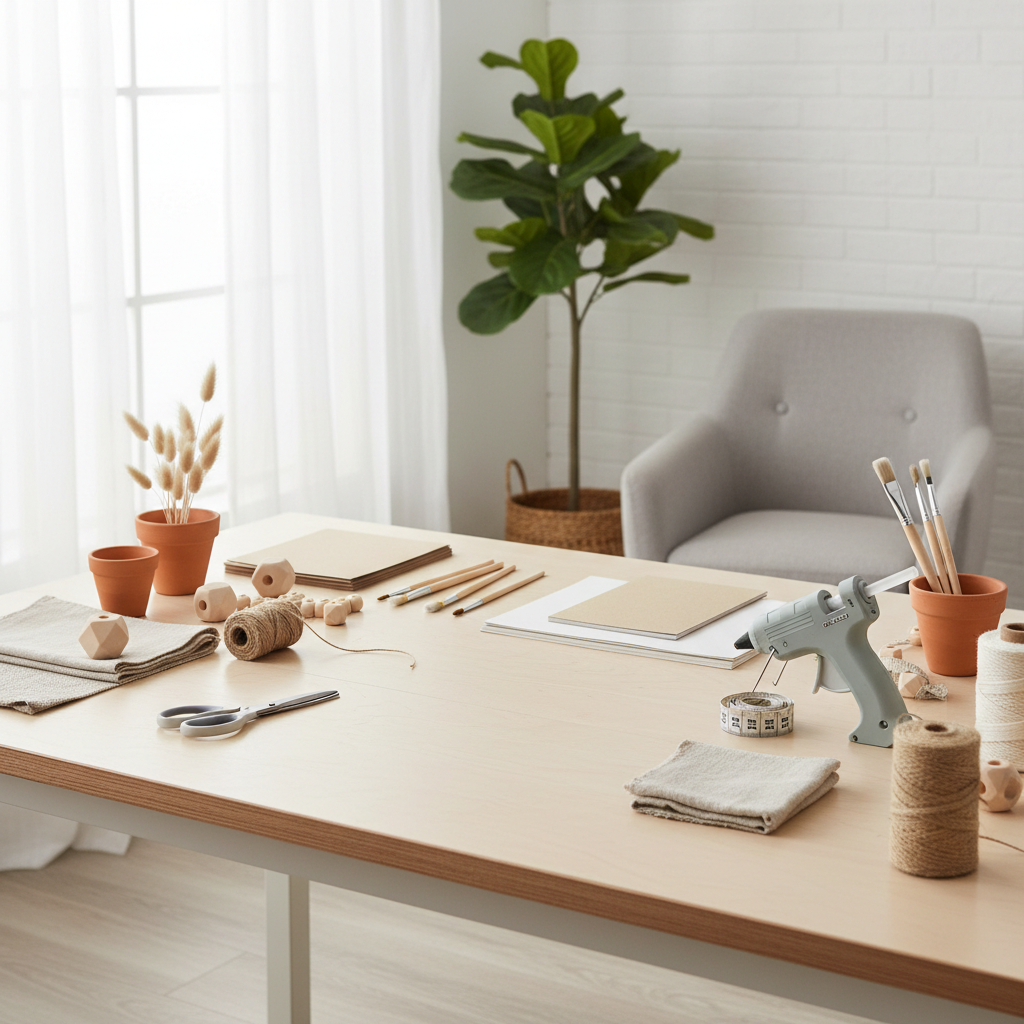
One more thing before we start, a lot of frustration comes from picking a project that’s “easy” on paper but fussy in real life, like detailed stenciling, resin pours, or anything that needs perfectly straight cuts. We’ll avoid those landmines.
How to choose an “easy” DIY decor craft that still looks polished
diy home decor crafts easy should mean low tool count and low failure risk, not “cheap-looking.” When you’re choosing a project, judge it by these three realities.
- Surface area and edges: Big flat surfaces show brush marks and uneven stain. Smaller pieces hide imperfections.
- Dry time and patience: Paint, stain, and spackle look simple, but rushing dry time is where most pieces go sideways.
- Hanging and placement: Wall pieces need safe mounting, shelf decor needs stability, table decor needs wipeable finishes.
According to CPSC (U.S. Consumer Product Safety Commission), product safety guidance commonly emphasizes following manufacturer instructions and using items as intended, in crafting that translates to using adhesives, paints, and tools within their labeled use, plus keeping ventilation in mind when fumes are possible.
Quick self-check: what kind of beginner are you today?
If you want fewer abandoned projects, match the craft to your current energy, not your “Pinterest self.” Use this fast check.
- 20–40 minutes: You need a win, go for no-cut projects (vase wrap, peel-and-stick refresh, swap hardware).
- 1–2 hours: You can handle light measuring, try a framed fabric panel, tray styling, painted terracotta.
- Half day: You can do prep and dry time, try a mirror makeover or simple floating shelf styling project.
- No power tools: Favor glue, paint, twine, self-adhesive options, and pre-cut wood circles/squares from craft stores.
- Small space: Avoid sanding-heavy builds, choose low-mess paint and drop-cloth friendly crafts.
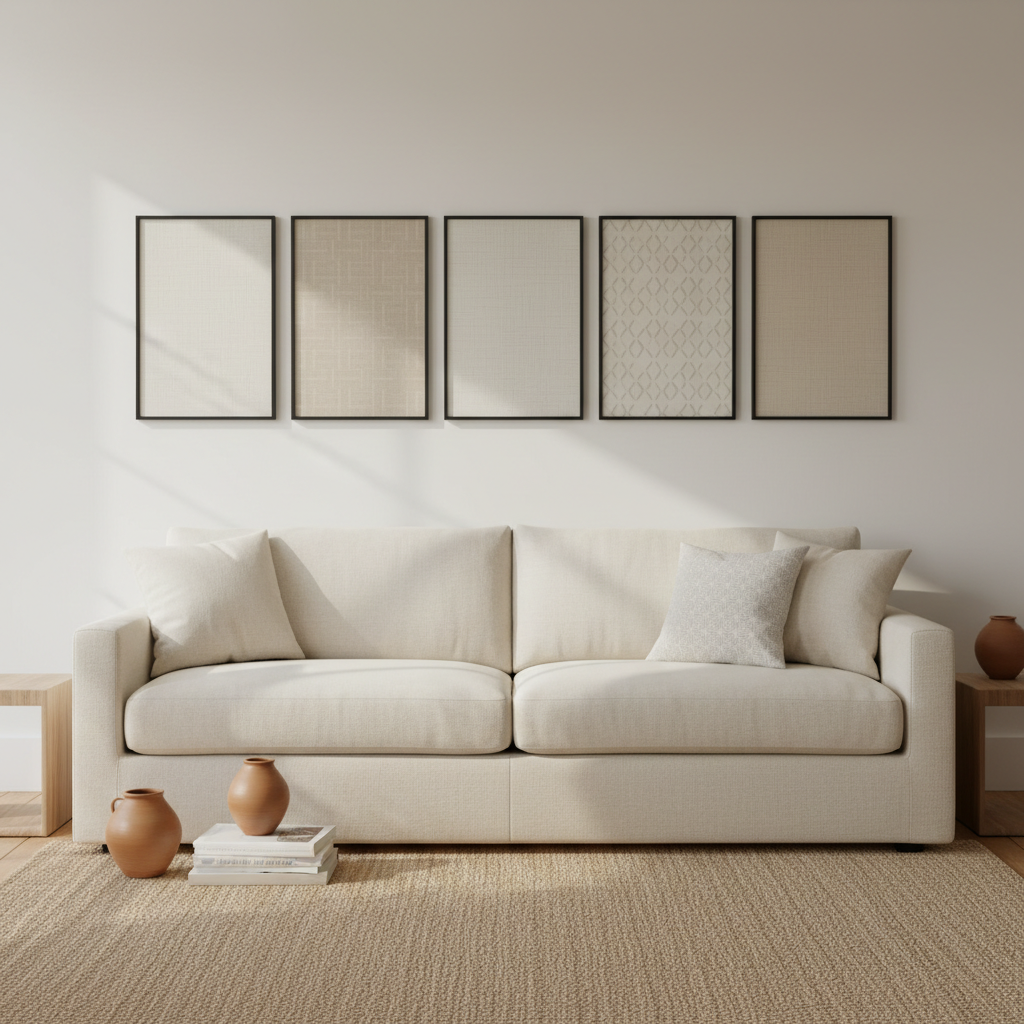
If you’re between categories, default to the simpler option. Most “beginner mistakes” aren’t skill issues, they’re scope issues.
6 diy home decor crafts easy enough for beginners (that don’t scream “DIY”)
These are the projects that usually give the best effort-to-result ratio, minimal specialty tools, and forgiving finishes.
1) Framed fabric wall art (no painting required)
Pick a fabric you’d actually wear or put on a pillow. Solid linen, small stripes, and muted patterns are easier to make look high-end.
- What you need: frame (with backing), fabric, scissors, stapler or tape
- Steps: iron fabric, wrap over backing, pull taut, staple/tape, reassemble
- Polish tip: keep fabric grain straight, crooked weave is the tell
2) Thrifted vase upgrade with paint + texture
Spray paint works, but beginners often get drips. A brushed-on matte acrylic with a tiny bit of baking soda or texture medium can hide brush marks.
- What you need: vase, matte paint, brush, optional texture additive
- Steps: wipe clean, thin coat, dry fully, second coat, optional light sanding for a stone look
- Polish tip: matte finishes look calmer in most rooms than glossy
3) “Designer” catch-all tray with peel-and-stick or contact paper
This is one of those diy home decor crafts easy projects that feels almost too simple, but it upgrades nightstands fast.
- What you need: basic tray, contact paper (marble, linen, wood), craft knife
- Steps: trace base, cut slightly oversized, smooth center outward, trim edges
- Polish tip: wrap only the interior base, not the outside walls, cleaner look
4) Simple mirror frame refresh (paint + rub-on wax)
Painting a frame is straightforward, the part people skip is the finish layer that makes it look intentional.
- What you need: painter’s tape, paint, small brush, rub-on wax or antiquing glaze (optional)
- Steps: tape mirror edge, paint thin coats, let cure, lightly wax high points
- Polish tip: a tiny bit of dark wax in corners adds depth without “distressing” everything
5) Elevated candle holders from dollar-store bases
Stacking two simple pieces (like a small plate + a pedestal) and painting them one color reads like a set.
- What you need: two stackable pieces, strong adhesive, paint
- Steps: test stability, glue, cure time, paint, seal if needed
- Safety note: keep flame clearance, if unsure use LED candles
6) No-sew pillow cover “wrap” (for seasonal refresh)
If sewing stresses you out, don’t force it. A clean fold and hidden closure can look surprisingly neat.
- What you need: fabric, pillow insert, iron, fabric tape or safety pins
- Steps: iron, wrap like a book cover, fold edges inward, secure closure on back
- Polish tip: choose medium-weight fabric so it doesn’t bunch
Tools and materials cheat sheet (what to buy vs. what to skip)
It’s easy to overspend early. If you’re building a tiny starter kit, prioritize items that work across many diy home decor crafts easy ideas.
| Item | Worth buying early? | Why it matters for beginners |
|---|---|---|
| Painter’s tape | Yes | Clean edges hide “new hands” fast |
| Good scissors + craft knife | Yes | Most DIY fails start with rough cuts |
| Hot glue gun | Usually | Fast, forgiving, but watch heat and strings |
| Small sanding block | Yes | Smooths edges and fixes paint nibs |
| Specialty power tools | Not yet | Great later, but often overkill at first |
| Resin kit | Skip for now | Fumes, cure timing, bubbles, higher frustration |
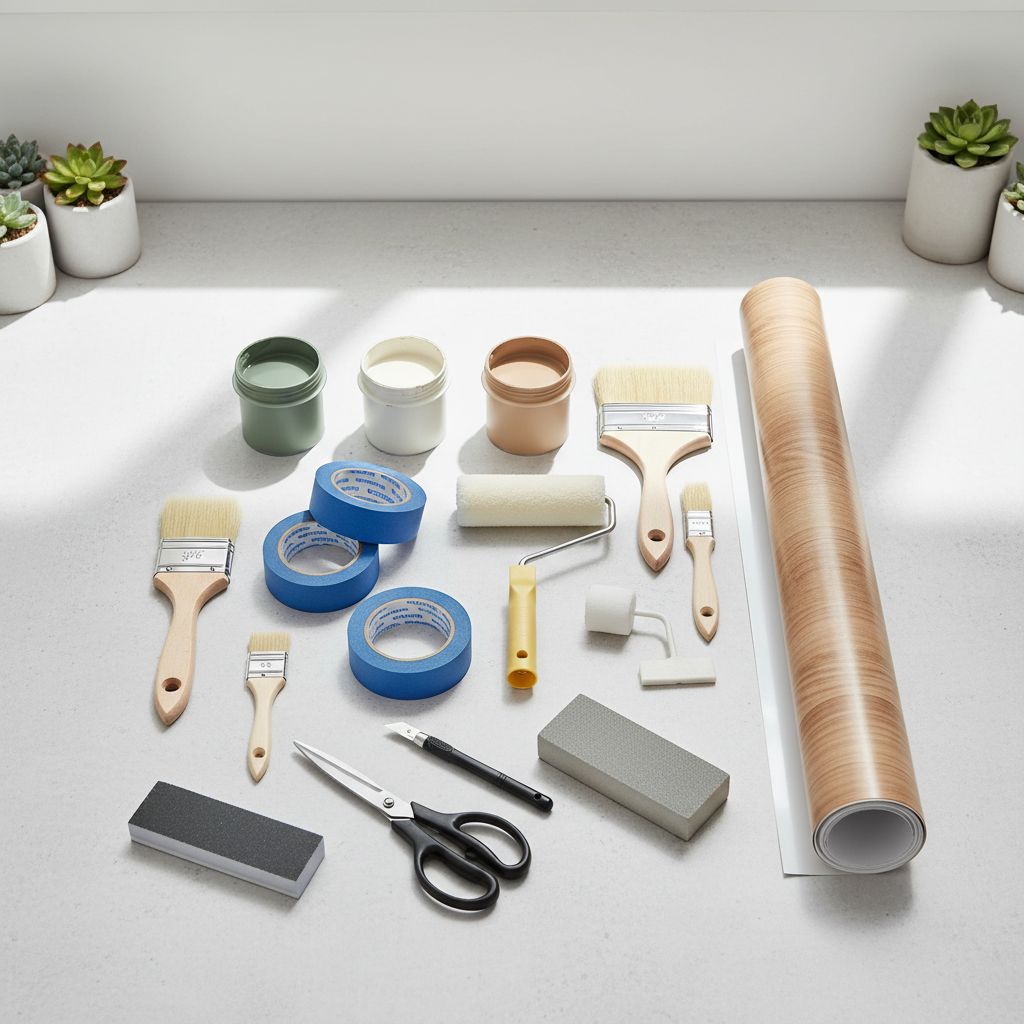
Key point: buying one better brush often beats buying five cheap ones, uneven bristles create streaks that no “hack” truly fixes.
Step-by-step: a reliable weekend plan (so you actually finish)
Most people don’t fail because they can’t craft, they fail because the workflow collapses mid-way. Use this simple plan.
- Pick one focal zone: entry table, coffee table, bedside, one wall, not the whole room.
- Set a stop rule: one paint color, one texture, one pattern max.
- Prep first: wipe dust and oils, dry completely, then paint or stick anything down.
- Build in dry time: if a label says 1 hour, many situations need longer, especially humid homes.
- Style at the end: add books, stems, candles only after finishes cure enough to handle.
For ventilation and chemical handling, follow the product label instructions, and if you’re sensitive to fumes, consider a respirator rated for paint vapors and ask a professional for guidance that fits your situation.
Common mistakes that make “easy crafts” look messy
A few small choices can make beginner work look chaotic, even when the idea is solid.
- Too many trends at once: bouclé, terrazzo, checkerboard, scallops, all in one room usually feels loud.
- Skipping edge cleanup: wipe glue strings, sand drips, trim contact paper carefully, edges are where eyes land.
- Wrong scale: tiny wall art on a big wall feels off, go larger or group in a set.
- Over-distressing: “vintage” is easy to overdo, keep wear only on corners and high points.
- Not testing first: paint on a small hidden spot, some materials reject paint without primer.
If you only fix one thing, fix the edges. Clean edges are the difference between homemade and home-decor.
When to pause and get help (or choose a different project)
DIY should feel satisfying, not risky. These are moments when it’s smarter to slow down.
- Electrical or wiring: swap decor, not wiring, unless you’re trained.
- Mounting heavy items: if you can’t confidently find studs or choose anchors, ask a handyman.
- Lead paint concerns: older homes and furniture may pose lead risks, if you suspect it, consider a lead test kit and consult a professional about safe handling.
- Strong fumes: if a product causes headaches or throat irritation, stop and improve ventilation, or switch materials.
According to EPA (United States Environmental Protection Agency), lead exposure is a recognized health concern, so it’s reasonable to take extra precautions with older paint and to seek qualified help when you’re unsure.
Conclusion: keep it simple, then make it look intentional
diy home decor crafts easy works best when you pick one small upgrade, finish it cleanly, and let your room breathe. Choose a project from the list that fits your time today, buy only the supplies that repeat across projects, and give your finishes more dry time than you think they need.
If you want a low-stress next step, start with framed fabric art or a tray refresh, you’ll get visible impact without learning ten new skills at once.
FAQ
What are the easiest DIY home decor crafts for absolute beginners?
Framed fabric panels, painted vases, and tray liners are usually the smoothest starts because they don’t require power tools or precision cuts, and you can redo them without losing much money.
How do I make beginner DIY projects look expensive?
Stick to a tight color palette, choose matte finishes, and obsess a little over edges and alignment. A simple project with clean lines tends to read more “store-bought” than a complex one with visible fixes.
How much should I budget for diy home decor crafts easy projects?
Many beginners can do a project for a modest amount if they reuse paint, tape, and tools across multiple pieces. The budget usually jumps when you buy one-off specialty products, so try to avoid those early.
Is hot glue strong enough for home decor?
Often yes for lightweight decor, but it can fail on slick surfaces or in high heat. For heavier items or load-bearing parts, a construction adhesive or proper hardware is usually safer, follow labels and cure times.
What DIY decor is safest for apartments and rentals?
Freestanding decor, removable picture-hanging solutions, and peel-and-stick tray or shelf liners tend to be lower risk. If you need wall mounting, check your lease and use appropriate anchors for the wall type.
How do I avoid crooked wall art when I’m a beginner?
Use a level, measure from the ceiling or floor rather than “by eye,” and mark with painter’s tape. If you’re hanging a set, lay it out on the floor first and photograph it as your reference.
What paint is easiest for beginner home decor crafts?
Matte or satin acrylic craft paint is forgiving for small decor pieces, while wall paint samples can work for color matching. If you see peeling, it may mean the surface needs light sanding or a primer compatible with the material.
If you’re working through diy home decor crafts easy ideas and you’d rather not guess which materials match your room, it can help to start from one “anchor” item you already own, then build your DIY colors and textures around it so everything looks cohesive without extra shopping.