
Best drawer dividers for clothes usually come down to one thing: whether they match how you actually use your drawers, not how you wish you used them.
If your tees slide into a heap, socks vanish into corners, or underwear turns into a daily “dig and hope” routine, dividers can help fast, but only if you choose the right style for your drawer depth, fabric types, and folding habit.
This guide walks through the divider types that work in real U.S. bedrooms and closets, a quick self-check to avoid buying the wrong set, and a simple plan to set everything up so it stays neat beyond day one.
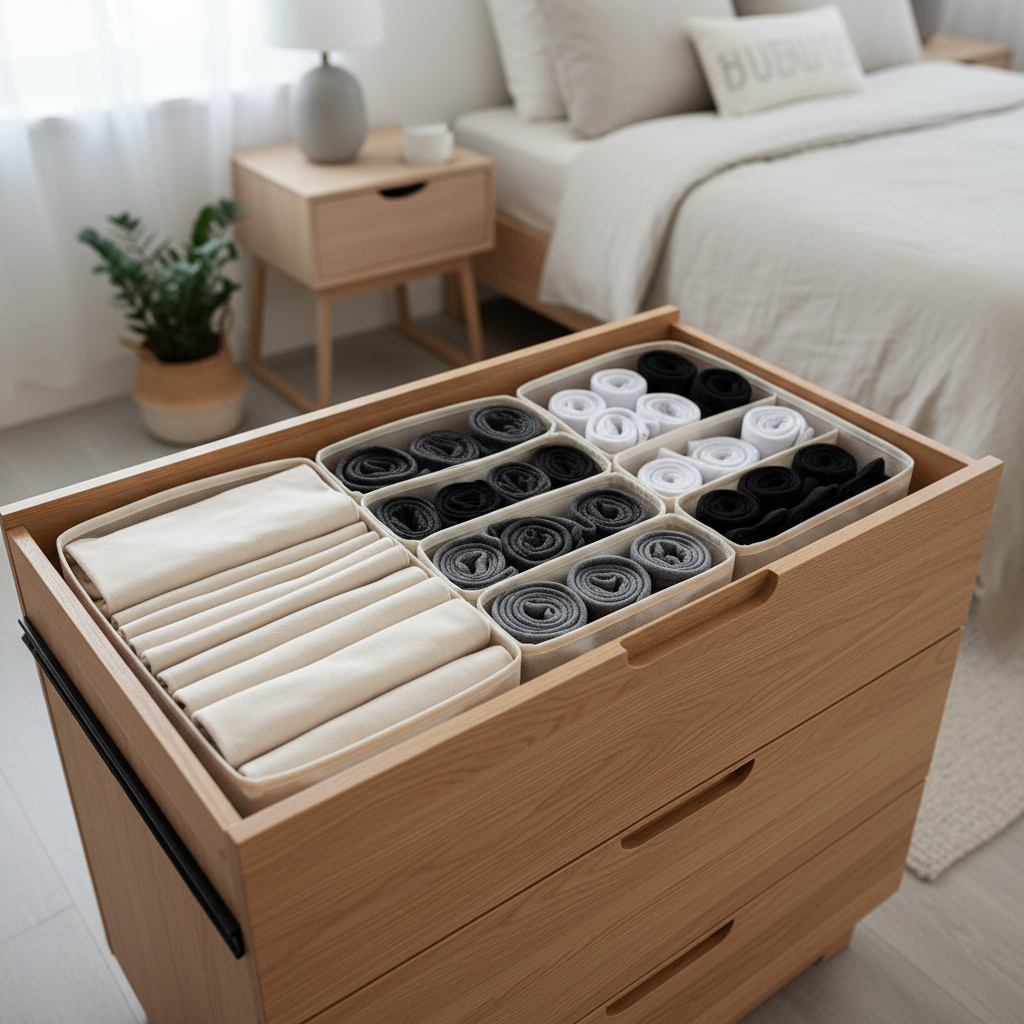
What makes a drawer divider “best” for clothes (not just pretty)
Most divider sets look similar online, then you get them home and realize your drawers are deeper, wider, or slicker than the product photos suggested. The “best” choice usually depends on a few practical factors.
- Drawer measurements: interior width and depth matter more than the dresser’s listed size. Measure inside wall to inside wall.
- Friction and stability: smooth laminate drawers can make tension dividers slip, while rough wood can grip better.
- What you store: rolled socks need small cells, bulky sweaters need wide lanes, and bras often need a shallow, gentle compartment.
- How you fold: file-folding works great with bins, while stack-folding often does better with sturdy vertical panels.
- How often you reorganize: if you rotate seasonal items, look for modular pieces you can reconfigure without tools.
According to Consumer Reports, measuring carefully and matching storage products to the space is one of the most reliable ways to avoid returns and frustration, which applies directly to drawer organizers as well.
Types of drawer dividers and where each one shines
There are a handful of common designs. None is perfect for everything, but each has a “sweet spot” where it feels effortless.
Adjustable tension dividers (spring-loaded or twist-lock)
These create long lanes across the drawer width or depth. They’re great for separating categories like tees vs. gym shirts, or jeans vs. leggings.
- Best for: medium to large drawers, folded shirts, pants, pajamas
- Watch for: slipping in very smooth drawers, not ideal for tiny items unless combined with small bins
Modular bins and fabric cubes
Think “cells” that keep socks and underwear from migrating. They also make it easier to pull out one item without disturbing the rest.
- Best for: socks, underwear, bras, baby clothes, accessories
- Watch for: bins that waste space if the drawer is an odd size, flimsy sides that collapse over time
Honeycomb organizers
These are often plastic or fabric grids that form lots of small compartments. They look tidy and can be surprisingly space-efficient for small pieces.
- Best for: underwear, camis, ties, belts, thin workout gear
- Watch for: tight cells that don’t fit thicker fabrics, grids that snag lace
Permanent or semi-permanent drawer inserts
Usually wood, bamboo, or acrylic inserts that sit in the drawer like a tray system. They’re stable and look “built-in,” which some people love.
- Best for: long-term setups, dressers in primary bedrooms, linen drawers
- Watch for: less flexible if your wardrobe changes, higher cost per drawer
Quick self-check: which divider style fits your drawer chaos?
If you’re not sure what to buy, this takes two minutes and saves you from the classic “wrong organizer, now what” moment.
- Your mess is mostly mixing categories (work tees blending into lounge tees): start with adjustable dividers to create lanes.
- Your mess is mostly small-item drift (socks, underwear, sports bras): start with modular bins or honeycomb.
- You hate re-folding because stacks collapse: choose sturdy panels or bins that support file-folding.
- Your drawer is shallow (common in some modern dressers): avoid tall bins, look for low-profile trays.
- You change wardrobes by season: choose modular pieces, skip anything semi-permanent.
If you’re aiming for the best drawer dividers for clothes in a shared dresser, consider separate “zones” per person; it reduces daily friction more than people expect.
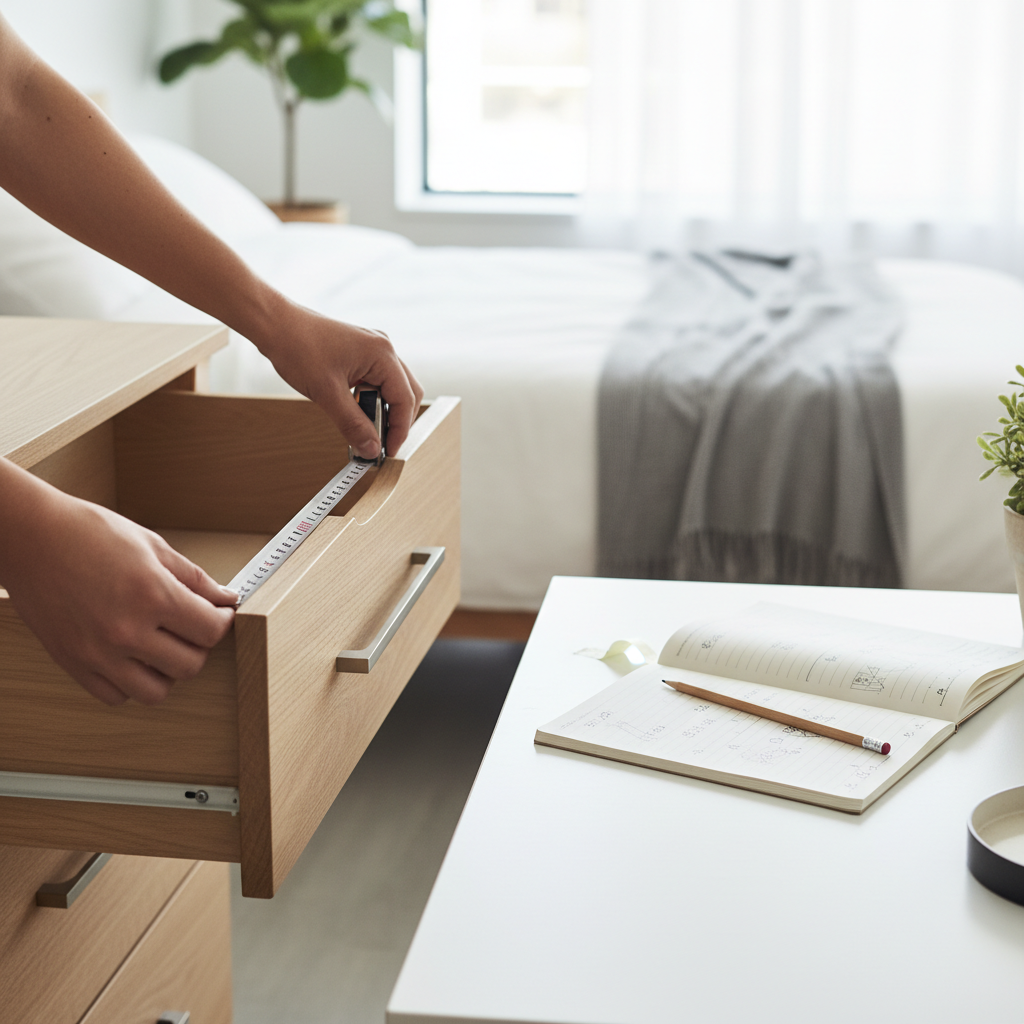
Material and build: what to pick for underwear, knits, and heavy items
Material seems like aesthetics, but it affects how long the organizer lasts and whether it damages delicate fabrics.
- Bamboo/wood: sturdy and grippy, tends to stay put, good for heavier stacks. Check for smooth edges so it won’t snag.
- Acrylic/plastic: easy to wipe clean, great for bathrooms or kids’ drawers, can slide in slick drawers unless it has feet.
- Fabric (nonwoven): lightweight, flexible, often cheapest, usually best for underwear and socks. Look for reinforced sides.
- Metal wire: breathable and strong, but can catch lace or delicate knits if edges aren’t finished well.
For underwear specifically, softer materials and rounded corners matter. It’s not a safety issue in the medical sense, but it can be an irritation issue if hardware catches elastic and you keep pulling at it.
Comparison table: common divider options at a glance
Use this table as a shortcut, then match it to your drawer size and clothing types.
| Type | Best for | Pros | Common downside |
|---|---|---|---|
| Adjustable tension divider | Shirts, pants, pajamas | Flexible lanes, quick setup | May slip in smooth drawers |
| Modular bins | Socks, underwear, bras | Prevents small-item drift | Can waste space if sizing mismatches |
| Honeycomb grid | Underwear, thin items | Many compartments, tidy look | Not great for bulky fabrics |
| Tray/insert system | Long-term drawer layouts | Most stable, premium feel | Less adjustable over time |
How to set up drawer dividers so they stay useful
This is where most people get annoyed: they buy organizers, install them, then the drawer drifts back into chaos. A small setup routine helps.
Step 1: Empty the drawer and sort by “grab pattern”
Instead of sorting by category only, sort by how you reach for things. Work basics, lounge, gym, and “nice” items often deserve separate zones because they’re worn at different times.
Step 2: Build zones, then choose compartment size
- Large zone: tees, leggings, shorts
- Medium zone: sleepwear, tanks
- Small zone: socks, underwear, accessories
If you’re mixing divider types, do lanes for larger items and bins for smaller items at the front where you can see them.
Step 3: Choose a folding method and commit for two weeks
File-folding typically works better with bins because each item stands on its edge, but if you prefer stacking, use firm vertical dividers to prevent sideways collapse.
Step 4: Add one “overflow rule”
When a compartment overfills, decide what happens: do you move extras to a backup drawer, or do you donate older items? Without a rule, even the best drawer dividers for clothes won’t keep up.
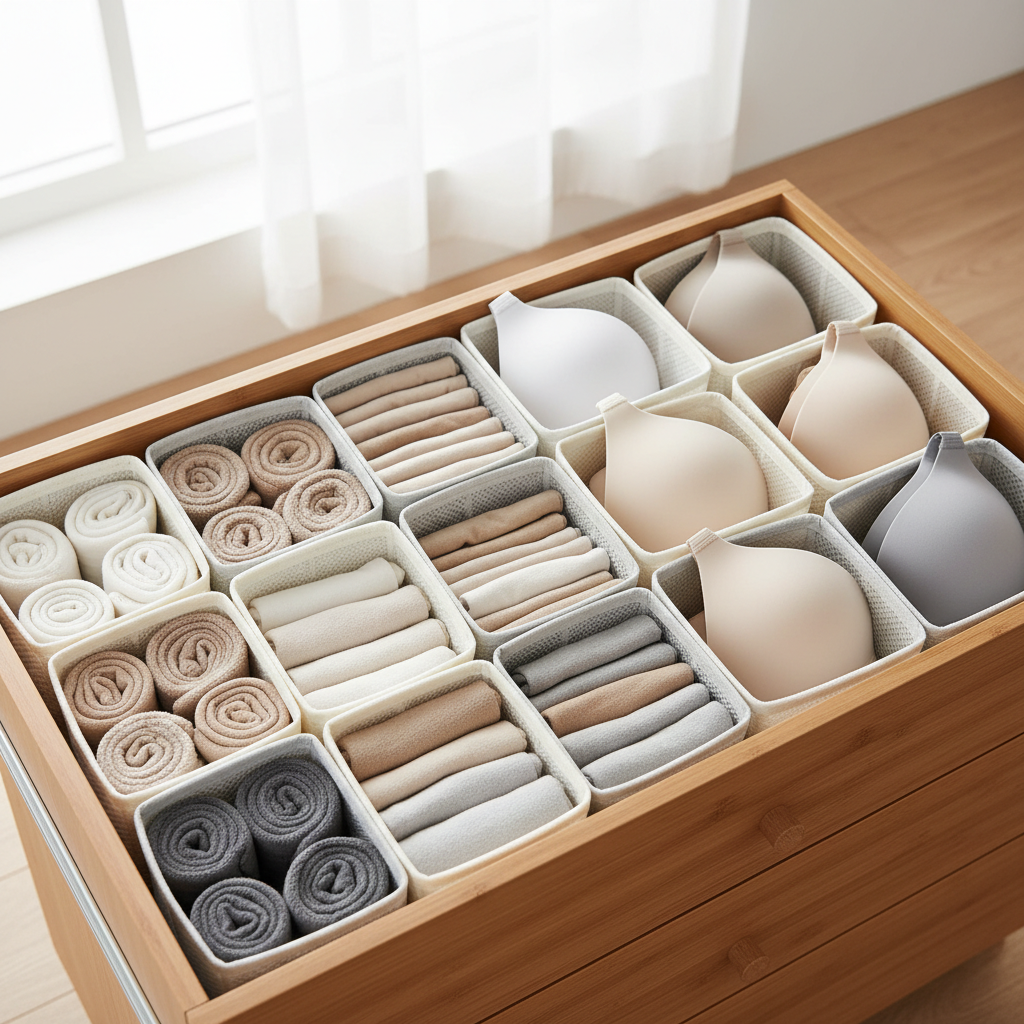
Common mistakes that make dividers feel like a waste of money
- Buying before measuring: the most common fail, especially in older dressers with thicker drawer walls.
- Over-compartmentalizing: too many tiny cells can make laundry day slower, and you stop using the system.
- Ignoring drawer height: tall organizers in shallow drawers catch when you slide the drawer in, then everything shifts.
- Using slick dividers on slick surfaces: if you pick tension dividers, add non-slip pads when needed.
- Making “one drawer, one category” too strict: real life changes, leave a flexible lane for rotating items.
According to The American Cleaning Institute, keeping cleaning and organizing routines simple increases the odds you maintain them, and the same idea applies here: fewer rules, clearer zones.
When it’s worth getting extra help (or upgrading the plan)
If you’ve tried a basic organizer setup and it keeps failing, it’s often a sign of a mismatch between storage and habits, not a personal discipline problem.
- Chronic overflow: your drawer capacity may be too small for the wardrobe volume, consider decluttering or adding a second storage spot.
- Accessibility needs: if bending and digging causes pain or strain, a professional organizer or occupational therapist may suggest more ergonomic layouts.
- Shared spaces conflict: pairing zones with labeled bins can reduce mix-ups without needing constant “resetting.”
If you’re unsure what’s realistic for your space, a quick consultation with a professional organizer can help you choose between lanes, bins, and inserts without buying three rounds of products.
Conclusion: picking the right dividers and keeping it simple
The best setups stay boring, in a good way: you open the drawer, you see what you own, and you put things back without thinking. Measure first, match the divider style to the clothes you actually store, then build a layout with a little breathing room.
If you want one next step, pick a single problem drawer, set it up with lanes for larger items and small bins for underwear and socks, then live with it for two weeks before you tweak anything.
Key takeaways
- Measure the drawer interior before buying organizers.
- Use adjustable dividers for broad categories, bins/grids for underwear and socks.
- Leave slack space so laundry day doesn’t break the system.
- Stability matters as much as looks, especially in smooth drawers.
FAQ
What are the best drawer dividers for clothes in deep dresser drawers?
Deep drawers often work best with sturdy adjustable dividers to create lanes, plus low-profile bins at the front for small items. Very tall bins can tip or hide items you forget to wear.
Do tension drawer dividers damage drawers?
Many are designed with padded ends, but damage risk depends on the finish and how tightly you expand them. If your drawers have a delicate surface, choose padded ends and avoid over-tightening.
How do I organize underwear so it doesn’t get messy again?
Use small compartments and keep each cell slightly underfilled. The moment you have to shove items in, the system starts failing, so treat a full compartment as a signal to edit or relocate items.
Are bamboo dividers better than plastic?
Often, bamboo feels sturdier and grips better, while plastic wipes clean more easily. The “better” choice depends on whether you prioritize stability or quick cleaning, and whether your drawer surface is slippery.
What size drawer dividers should I buy?
Start with your drawer’s interior width, depth, and height, then compare to the product’s adjustable range. If you’re between sizes, a slightly smaller modular bin set tends to be easier to fit than a too-wide rigid insert.
Can I mix divider types in the same drawer?
Yes, and it’s often the most practical approach. Lanes handle shirts and leggings, while bins handle socks and underwear without letting them wander.
How many compartments do I need for socks and underwear?
Enough that each “daily” category gets its own space without stuffing: for example, separate cells for no-show socks, crew socks, and underwear styles you actually wear. If you create compartments for items you rarely choose, they become clutter magnets.
If you’re trying to organize multiple drawers at once and want a more predictable result, consider building a simple “lane + bins” template you can repeat across dressers, it’s usually faster than reinventing each drawer from scratch.