
Best waterproof cushion covers for patio shopping gets confusing fast because “waterproof” can mean anything from light splash resistance to a true barrier that still breathes enough to avoid that musty smell.
If your patio cushions get hit by rain, sprinkler overspray, pool splash, pollen, or greasy grilling air, the right cover choice saves time, extends cushion life, and keeps your seating looking intentional instead of constantly “in recovery.”
This guide breaks down what actually matters (fabric, coating, zippers, fit, and upkeep), then gives a practical comparison table and a quick decision path, so you can buy once and stop second-guessing.
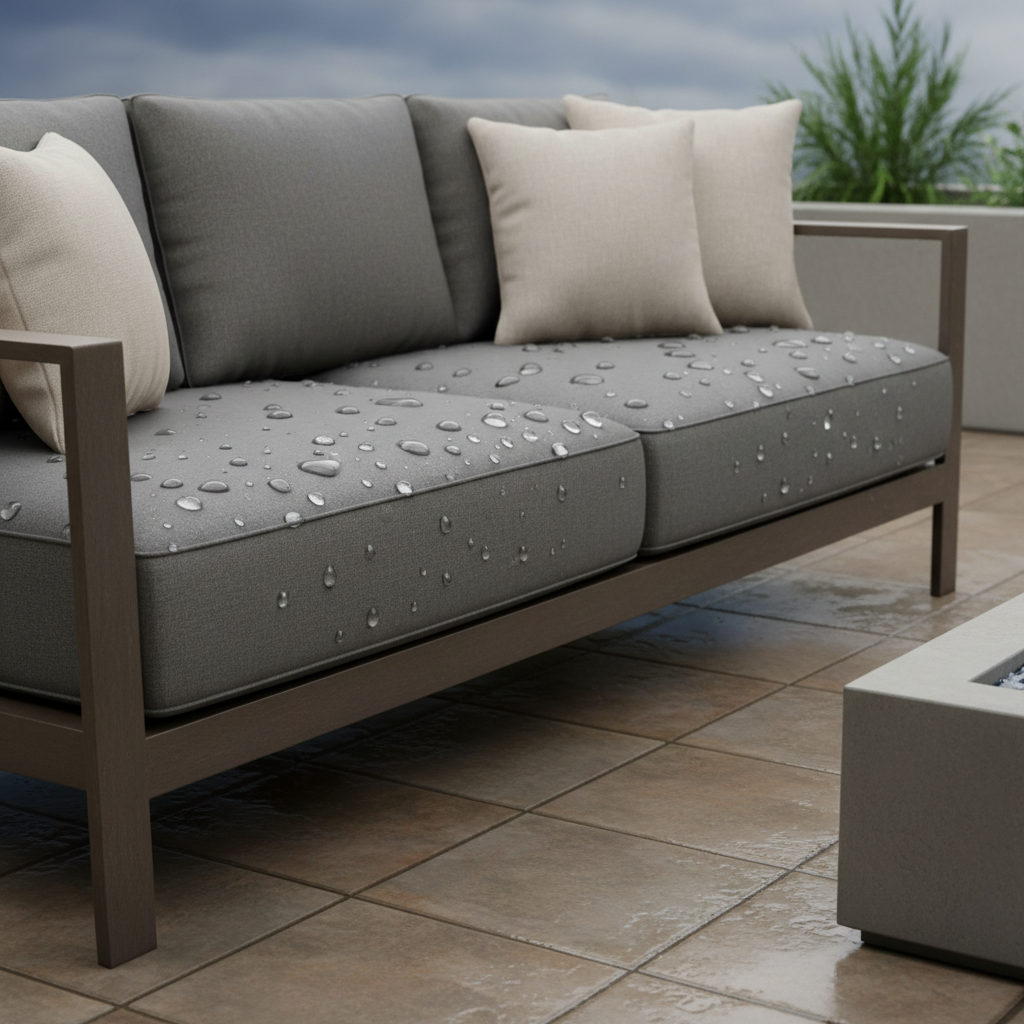
What “waterproof” really means for patio cushion covers
Most shoppers want one thing: rain stays out. But the tradeoff is what happens inside the cover.
- Water-resistant: Repels light moisture, usually via a DWR finish (durable water repellent). Great for dew and quick spills, less reliable in heavy rain.
- Waterproof: Uses a backing or membrane (often PU or PVC) that blocks water. Better for storms, but can trap humidity if airflow is poor.
- Seam construction matters: Needle holes can leak. Taped seams or welting can help, though it varies by product and price tier.
According to the U.S. Environmental Protection Agency (EPA), controlling moisture is a key step to prevent mold growth indoors, and the same logic applies outdoors: if water gets in and can’t dry, odor and mildew become the real problem.
The real reasons patio cushion covers fail (even when labeled waterproof)
In real patios, covers don’t fail because of one dramatic downpour, they fail because of small daily friction.
- Poor fit: A baggy cover pools water; a too-tight cover stresses seams and zippers.
- Weak closures: Cheap zippers corrode, Velcro clogs with lint and pollen, and ties loosen in wind.
- Sun exposure: UV breaks down coatings, fades dye, and makes fabric stiff over time.
- Condensation + trapped humidity: Waterproof backing without any breathability can hold moisture against the cushion foam.
- Harsh cleaning: Bleach and aggressive scrubbing can strip finishes and degrade waterproof layers, depending on fabric.
Quick self-check: what type of cover do you actually need?
Before you compare brands, decide what “success” looks like on your patio. Use this as a fast filter.
If your cushions stay outside full-time
- Look for waterproof backing plus a zipper garage or flap
- Prefer solution-dyed acrylic or strong UV-rated polyester for color stability
- Consider mildew-resistant fabric, but still plan on drying time after storms
If you store cushions in a deck box between uses
- Water-resistant covers are often enough, comfort and softness can matter more
- Prioritize easy on/off, smooth zippers, and washability
If you deal with pets, kids, or frequent food spills
- Choose stain resistance and a fabric that wipes clean
- Dark solids or heathers hide spot-cleaning halos better than flat light colors
Comparison table: choosing the “best” material and build
There’s no single best waterproof cushion cover for every patio, but you can get close by matching materials to your weather and habits.
| What you’re comparing | Best for | Pros | Watch-outs |
|---|---|---|---|
| Solution-dyed acrylic + waterproof backing | Sunny patios with surprise rain | Better fade resistance, comfortable hand-feel | Price tends to run higher; breathability varies by backing |
| Polyester (outdoor) + PU coating | Budget-friendly all-around use | Many color options, good water blocking | Some fabrics fade faster; coatings can feel “plasticky” |
| Vinyl/PVC-style waterproof covers | Heavy rain areas, temporary protection | Strong waterproof barrier, easy wipe-down | Heat buildup, less breathable; can crack in cold over time |
| Olefin (polypropylene) outdoor fabric | High humidity, frequent use | Often dries quickly, decent UV performance | “Waterproof” claims depend on backing; texture can feel rougher |
What to look for when shopping (the details that save you later)
Product listings love big claims, but the small construction choices are what make best waterproof cushion covers for patio feel truly “set and forget.”
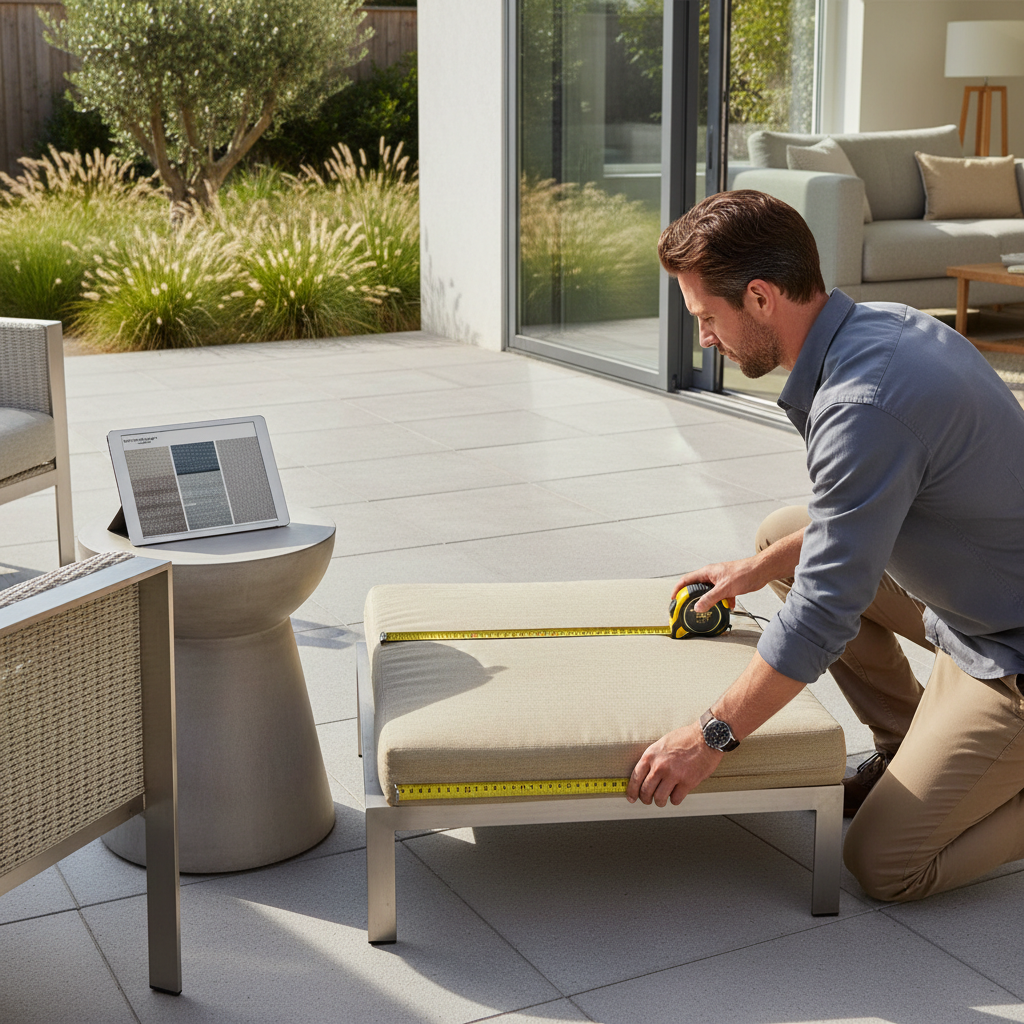
- Correct measurements: Measure cushion width, depth, thickness, and allow a little ease so the zipper closes without strain.
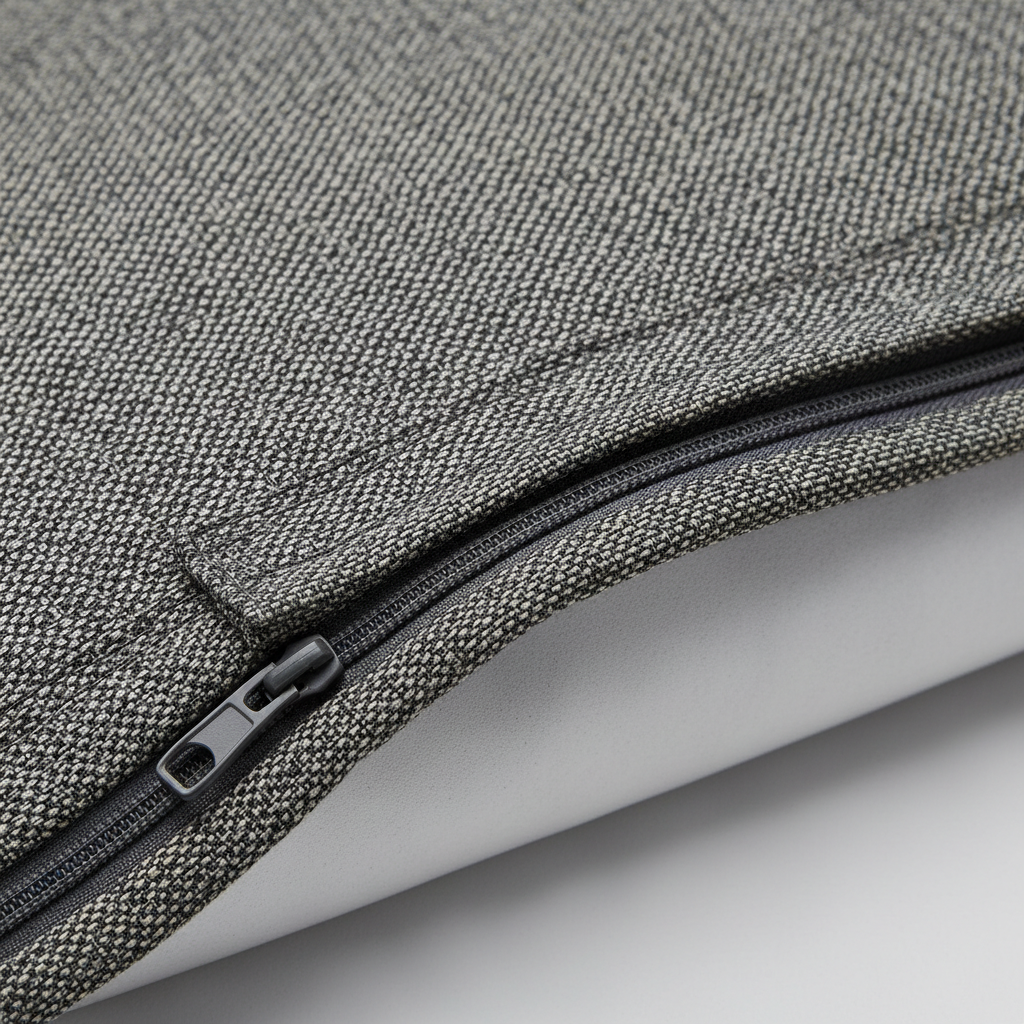
- Zippers: Prefer #5 or sturdier, corrosion-resistant pulls, and a flap that reduces direct rain entry.
- Closure style: Zippered covers usually seal better than envelope backs; ties help stop shifting in wind.
- Seams: Double stitching helps strength; if you see taped seams, even better for water control.
- Non-slip features: A thin gripper backing or corner ties matter more than people expect on slick frames.
- Color strategy: If your patio gets full sun, mid-tones often age more gracefully than very dark or very bright shades.
Practical buying steps: from measurements to first wash
If you want fewer returns and fewer “why doesn’t this fit?” moments, this sequence works well.
Step 1: Measure once, then measure again
- Seat: width × depth × thickness
- Back cushion: width × height × thickness
- Note whether corners are square, boxed, or rounded
Step 2: Match cover style to your cushion type
- Boxed cushions often need boxed covers with piping so corners sit clean
- Thin cushions can look sloppy in overbuilt covers, pick the closest thickness range
Step 3: Pressure-test waterproof claims at home
- Pour a small cup of water on the surface and watch beading versus soaking
- After a rain, unzip and check the inside face for condensation or dampness
Step 4: Set a care routine that doesn’t ruin the coating
- Brush off pollen and dust before it grinds into the weave
- Spot clean with mild soap and water, then air dry fully
- If the label allows machine washing, avoid high heat drying because it can stress waterproof layers
Mistakes to avoid (these waste money fast)
- Buying “universal” sizes without checking thickness: Thickness mismatch is the #1 reason covers twist and puddle.
- Assuming waterproof means mold-proof: Many covers resist mildew, but trapped moisture can still create odor.
- Leaving cushions sealed wet for days: If a storm soaks everything, open zippers and let airflow do its job.
- Over-prioritizing coating, ignoring UV: In sunny states, fading and fabric breakdown can show up before leakage.
- Using harsh chemicals: If you need deep cleaning for mildew, it may be safer to ask the manufacturer or a cleaning pro what’s compatible.
Conclusion: how to pick the best option for your patio
The best waterproof cushion covers for patio use usually come down to a balanced choice: strong water blocking for your weather, enough breathability to avoid funk, and a fit that doesn’t fight you every time you zip it up.
If you want a simple next move, pick one cushion type on your set, measure it carefully, then buy a single cover first as a “test piece” before outfitting the whole patio.
Once you find a fabric and closure style that stays dry and dries out quickly after rain, the rest is mostly consistent sizing and routine care.
FAQ
What is the difference between waterproof and water-resistant cushion covers?
Water-resistant covers handle light moisture and spills, while waterproof designs use a barrier layer meant to block rain. In practice, seam quality and zipper flaps often decide how dry your cushion stays.
Do waterproof cushion covers trap moisture and cause mildew?
They can, especially in humid climates or when cushions get put away while damp. If mildew is a recurring issue, look for breathable outdoor fabrics and make a habit of airing out cushions after storms.
How do I measure patio cushions for a cover that fits?
Measure width, depth, and thickness at the widest points, then check the product’s sizing guidance. If you’re between sizes, going slightly larger often prevents zipper strain, but too much extra space can lead to water pooling.
Are zippered covers better than envelope-style covers for rain?
Zippers typically seal more consistently, especially when paired with a flap. Envelope backs can work for covered patios, but heavy wind-driven rain finds gaps more easily.
What fabric holds up best in strong sun?
Solution-dyed acrylic is commonly chosen for sun exposure because the color is embedded in the fiber. That said, “best” still depends on your budget and how often cushions sit in direct sunlight.
Can I machine wash waterproof outdoor cushion covers?
Some are machine washable, some aren’t. Follow the care label closely, and be cautious with hot water or high-heat drying because it may weaken coatings and seam tape.
Should I buy waterproof covers if I already use furniture covers?
If your furniture cover seals well and you store cushions during storms, you may not need fully waterproof cushion covers. But if cushions stay out and you want everyday spill protection, upgrading cushion covers can still be worthwhile.
If you’re trying to choose between a few materials or you’re not sure whether you need waterproof backing or just strong water resistance, it’s often easiest to start with your climate and storage habits, then narrow to two or three cover builds that match your cushion measurements.