
Best natural stone coasters for coffee table shopping usually starts after one annoying moment: a fresh water ring on a table you actually like. Stone coasters can solve that, but only if you pick the right material and finish for your habits, not just your aesthetic.
A coffee table takes constant, messy, real-life use: iced drinks that sweat, hot mugs, wine glasses, condensation from cans, and the occasional spill you notice too late. Natural stone looks premium and feels “finished,” but it can also scratch, stain, or slide around if the details are off.
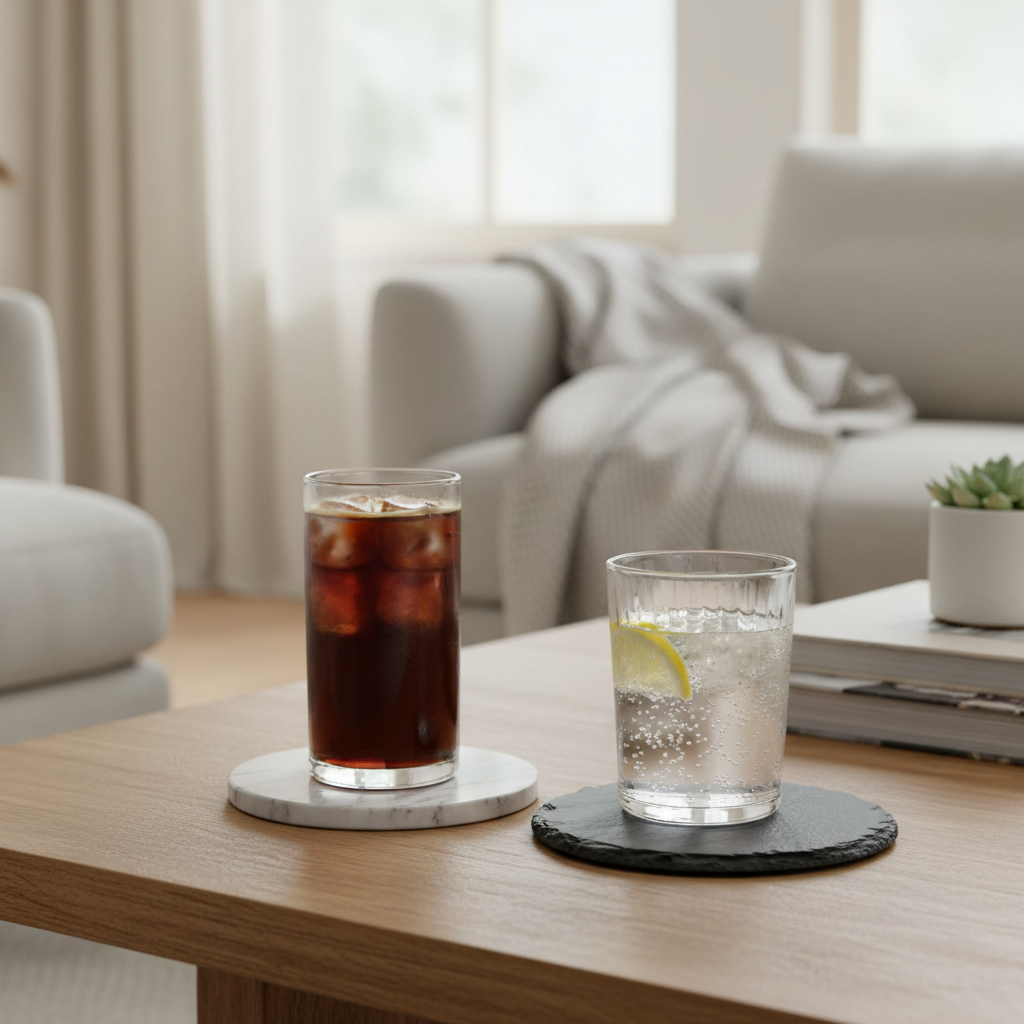
This guide breaks down what matters in practice, how to match stone to your table surface, and a simple checklist you can use before you buy. I’ll also call out common “pretty but impractical” choices, because that’s where most people get burned.
What makes a stone coaster “best” for a coffee table (not just Instagram)
On a coffee table, a coaster is doing three jobs at once: absorbing or containing moisture, buffering heat, and preventing surface wear from everyday movement. Natural stone can do all three, but performance depends on small features.
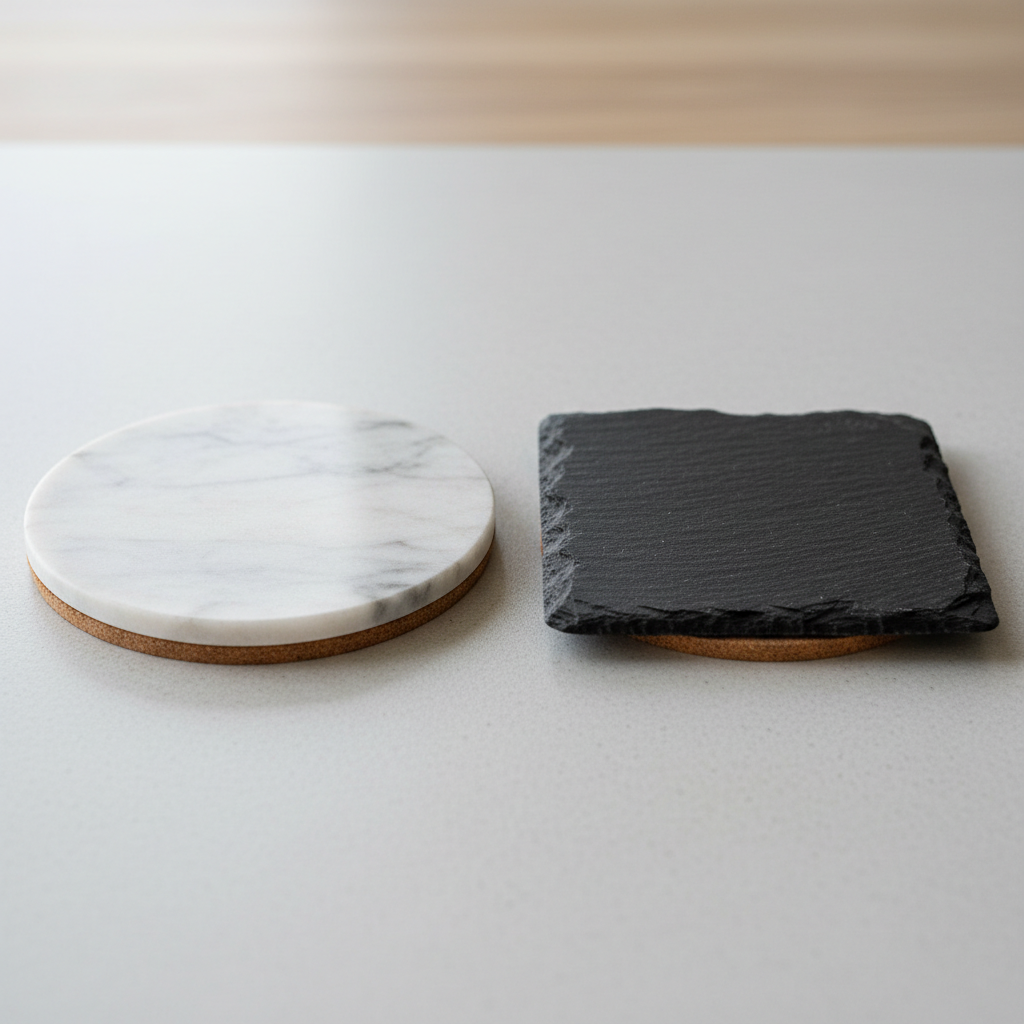
- Bottom backing: Cork, felt, silicone, or rubber feet reduce scratches and keep coasters from skating around.
- Finish: Polished looks sleek but can show etching or water marks; honed or matte hides wear better in many homes.
- Edge profile: Slightly eased edges feel better in hand and chip less than sharp edges.
- Absorbency vs. sealing: Some stones drink up moisture; others resist it. Neither is “always better,” it depends on whether you prefer absorption or easy wipe-down.
- Size and stability: For most mugs and tumblers, 4 inches is the practical baseline; oversized glasses or wide-bottom stemware may need 4.25–4.5 inches.
Key takeaway: If your coffee table is wood, lacquered, or easily scratched, the “best” set is often the one with reliable backing and a forgiving finish, even if the stone itself is less flashy.
Stone types compared: marble vs slate vs travertine vs granite
People often buy by color, but performance differences come from porosity (how much it absorbs), hardness (scratch resistance), and how it reacts to acids (think lemon, wine, some coffees). According to Marble Institute of America, many natural stones vary widely by quarry and composition, so treat product descriptions as “typical,” not absolute.
Here’s a practical comparison for choosing the best natural stone coasters for coffee table setups.
Quick comparison table
| Stone | Look | Moisture handling | Scratch/Chip risk | Best for |
|---|---|---|---|---|
| Marble | Veined, bright, classic | Often needs sealing; can spot | Can chip on edges; can etch with acids | Style-forward rooms, lighter drink use |
| Slate | Matte, dark, modern | Usually decent; wipe-friendly | Can flake if low quality; edges matter | Everyday use, minimal glare |
| Travertine | Warm, porous, spa-like | Absorbent; good for sweat, can stain | Can chip; pits collect grime | Cold drinks, cozy neutral decor |
| Granite | Speckled, varied, sturdy | Often more resistant | Generally durable; heavy feel | High-traffic living rooms |
If you love marble, don’t write it off, just be realistic: it tends to show “life” faster, especially if citrus, wine, or acidic cleaners enter the picture. Slate and granite are usually easier for busy households.
Pick the right finish and sealer for real-life spills
Finish is where many “best natural stone coasters for coffee table” lists get vague, but it’s the difference between a set you baby and a set you forget about.
- Polished finish: Reflective, upscale, photographs well. It can reveal water spotting and may show etching more clearly on certain stones.
- Honed/matte finish: Softer look, better at hiding small scuffs, often feels more modern and casual.
- Tumbled/antiqued edges: More forgiving for chips, especially if coasters get stacked or tossed in a drawer.
Sealing is a common selling point. Some coasters come pre-sealed; others don’t say. If your set is porous and you notice dark spots after a spill, a penetrating stone sealer may help, but product choice varies by stone type and finish. According to The Natural Stone Institute, sealers are typically meant to reduce staining, not to make stone “stain-proof,” so it’s still smart to wipe spills sooner than later.
If you’re sensitive to smells or have kids or pets, choose low-VOC sealers and follow label directions, and if you’re unsure, asking a stone care pro is safer than experimenting on a brand-new set.
A quick self-check: which coaster style fits your coffee table?
Before you buy, answer these honestly. This takes two minutes and saves you from the “they looked great online” regret.
- Your table surface: Is it soft wood, lacquer, glass, or stone? Softer surfaces strongly benefit from cork/felt backing or feet.
- Most common drink: Iced coffee and seltzer create heavy condensation; hot tea is more about heat buffering.
- Spill frequency: If spills are normal, prioritize wipe-friendly surfaces and darker, forgiving stones.
- Do you stack/store them? If yes, choose thicker pieces with eased edges, and avoid fragile corners.
- Cleaning style: If you like quick spray-and-wipe, avoid stones that hate acids; use pH-neutral cleaners where possible.
Fast match: Busy household plus wood coffee table usually points to slate or granite with a strong backing. Design-first living room with lighter use can handle marble, especially honed.
Buying specs that matter more than brand names
You don’t need to memorize geology, you just need to read product details like you’d read a rug listing.
- Diameter: 4–4.25 inches covers most mugs and tumblers; go bigger if you use wide-base glasses.
- Thickness: Around 0.3–0.5 inches feels substantial and resists warping or chipping better than ultra-thin slices.
- Backing quality: Full-coverage cork/felt is usually more stable than tiny dots, especially on slick tables.
- Weight: Heavier coasters stay put, but can dent soft wood if they’re dropped. If your table is delicate, prioritize backing and rounded edges.
- Edges: Look for “eased,” “beveled,” or “tumbled” rather than sharp-cut.
- Set size: For coffee tables, 6 is the realistic minimum if you host even occasionally; 8 gives breathing room.
If a listing won’t say what the backing is, assume you may need to add stick-on cork pads. It’s cheap, but it’s also a sign the set wasn’t designed for real furniture protection.
How to use and care for stone coasters without babying them
The goal is low drama. A few habits keep stone looking good without turning your living room into a museum.
Everyday care
- Wipe after heavy condensation: Especially on porous stones like travertine, water can darken the surface temporarily or leave marks.
- Skip harsh sprays: Many all-purpose cleaners can be too acidic or too alkaline for certain stones. A mild dish soap and water often works, then dry.
- Don’t soak for long periods: If you need to wash, do it quickly and dry fully, particularly if the backing is cork or felt.
If you see staining or dull spots
- Oil-like stain: A stone-safe poultice may help, but results vary by stone and stain type, and it can take patience.
- Dull ring or etching: This is common on marble with acidic contact; polishing compounds exist, but it may be easier to switch to honed coasters for daily use.
According to The Natural Stone Institute, using cleaners designed for natural stone is a safer default than experimenting with vinegar or citrus-based products, which can damage certain surfaces.
Common mistakes (and what to do instead)
A lot of disappointment comes from one of these predictable mismatches.
- Buying unbacked stone for a wood table: It can scratch. Choose cork-backed coasters or add a full pad.
- Choosing ultra-porous stone with no plan: Travertine can look amazing, but it may stain in messy living rooms. Either seal it or use it for “dry” drinks.
- Assuming “sealed” means worry-free: Sealers reduce staining risk, they don’t remove it.
- Going too small: A coaster that barely fits the base makes tipping more likely and defeats the point.
- Ignoring table style and sound: Stone-on-stone or stone-on-glass can be loud. Backing and felt pads help.
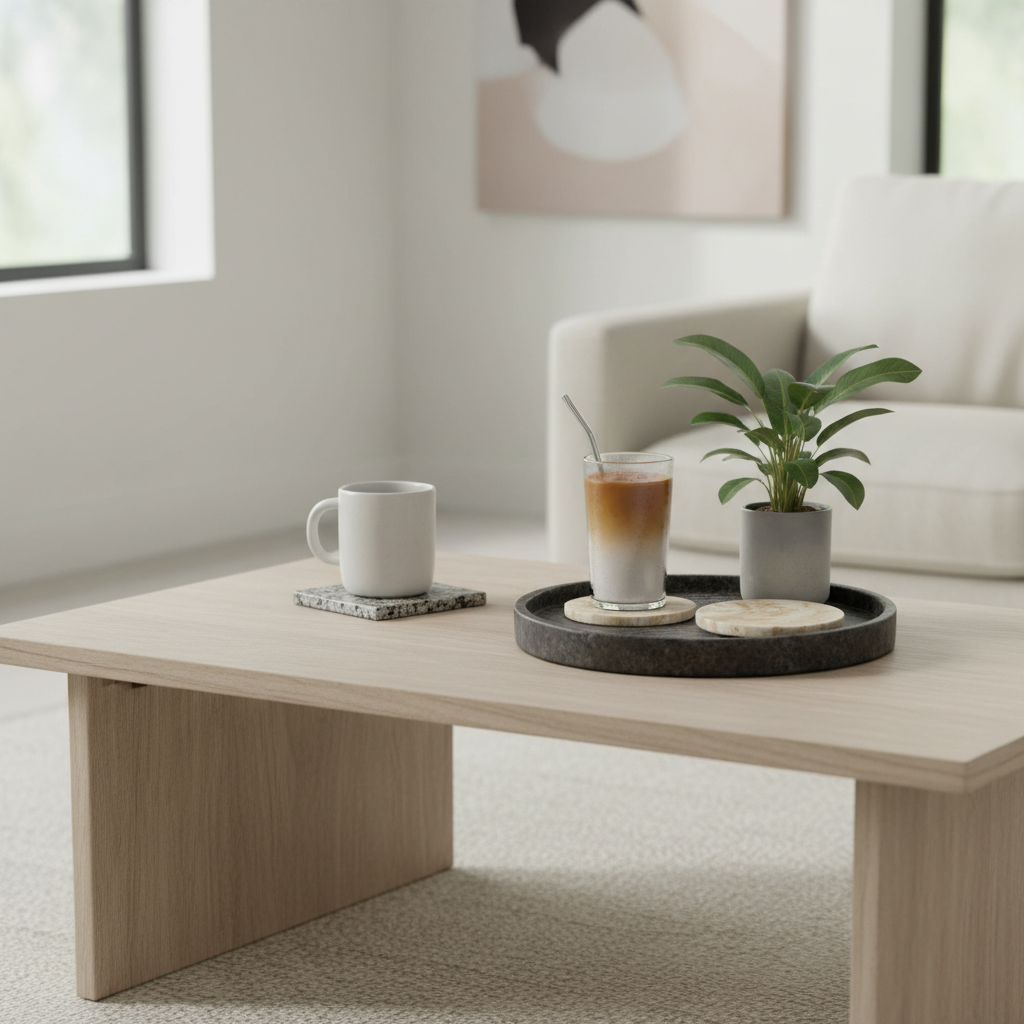
If you’re aiming for a “set it and forget it” option, slate or granite with a forgiving finish and solid backing tends to cause fewer headaches than polished marble in many households.
Practical recommendations by scenario
Instead of a generic top-10 list, here are picks based on how people actually use coffee tables.
- You host often: 8-piece slate or granite set, 4.25-inch, full cork backing, matte finish.
- You have a soft wood or vintage table: Any stone is fine if the backing is excellent; avoid sharp edges and consider slightly thicker pieces.
- You drink mostly iced beverages: Travertine (sealed) for absorbency, or slate for easy wipe-down, depending on whether you prefer absorption or cleanup.
- You want a bright, airy look: Honed marble with cork backing, and plan to wipe acidic spills quickly.
- You hate maintenance: Dark slate or granite, pre-backed, minimal texture that won’t trap grime.
When people ask for the best natural stone coasters for coffee table use, this is usually what they mean: the set that protects the table, looks intentional, and doesn’t demand special treatment every day.
Conclusion: what to buy, and what to do next
The “best” choice comes down to your table surface and your drink habits, not the most expensive stone. If you want the safest all-around pick, look for slate or granite coasters with a matte finish and full backing, then size up if you use wide glasses.
If you’re deciding today, do two things: measure the base of your most-used glass, and check whether your coffee table finish scratches easily. Those answers usually narrow the field fast, and keep your living room looking clean without extra effort.
FAQ
What are the best natural stone coasters for coffee table protection on wood?
Look for full cork or felt backing and eased edges. Wood scratches more easily than people expect, and unbacked stone can leave scuffs from normal sliding.
Do marble coasters ruin a coffee table?
Not automatically, but they can if they’re unbacked or if grit gets trapped underneath. With good backing and occasional wiping, many households use marble without issues.
Are travertine coasters better because they absorb water?
Absorbency helps with condensation, but it also means stains are more likely. If you like travertine, consider sealing and avoid leaving colored drinks sitting for long.
What size coaster is best for a coffee table?
Four inches works for many mugs, but 4.25 inches gives more stability for tumblers and stemware. If your glasses have wide bases, measure and buy accordingly.
Do stone coasters need to be sealed?
Some do, some don’t, and it varies by stone and finish. If you notice dark spots that linger after water contact, sealing may reduce staining, but it won’t make them maintenance-free.
How do I clean natural stone coasters safely?
Mild soap and water is a safe starting point for many sets, then dry fully. If you’re unsure about your stone type, a pH-neutral stone cleaner is usually a safer bet than acidic sprays.
Why do my stone coasters leave white marks?
On certain stones, especially marble, acidic liquids can etch the surface and leave a dull or light mark. Water spots can also show up on polished finishes, even without damage.
If you’re trying to narrow down options quickly, it often helps to choose one “workhorse” set for daily drinks and a more decorative set for hosting, so your coffee table stays protected without you overthinking every cup.