
Best quiet space heaters for bedrooms are usually the ones you barely notice: low fan noise, steady heat, and safety features that let you relax instead of listening for clicks and rattles all night.
If you’re buying for a bedroom, “quiet” isn’t just comfort, it’s usability. A heater that keeps you warm but wakes you up every time it cycles on becomes a closet item fast. And if you’re sharing a room, noise complaints show up even sooner.
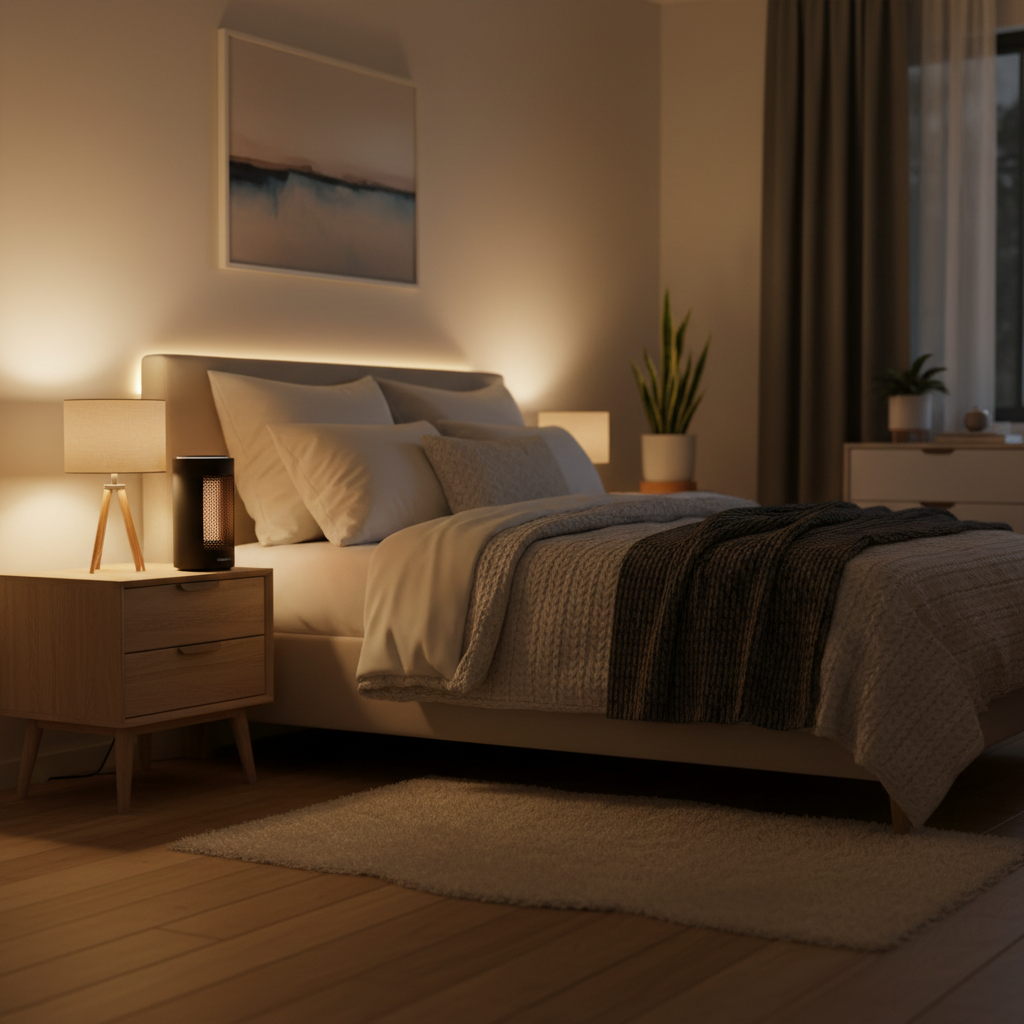
This guide focuses on what actually makes a heater quiet in real rooms, what to look for on spec sheets, and which types tend to work best for light sleepers, kids’ rooms, and small master bedrooms. You’ll also get a quick comparison table and a simple “pick by situation” checklist.
What “quiet” really means for a bedroom heater
Manufacturers rarely agree on noise labeling, and many listings don’t include decibel ratings. So you end up judging by design and behavior: how it starts, how it holds temperature, and what parts move.
In bedrooms, the biggest noise culprits tend to be:
- Fan turbulence: common in compact ceramic fan heaters, especially on high heat.
- Relay clicks: the on/off cycling sound when a thermostat kicks in.
- Expansion ticks: metal parts heating up and cooling down, more noticeable in some panel and baseboard-style units.
- Vibration: a heater on a hollow nightstand or uneven floor can amplify small motor hum.
According to U.S. Consumer Product Safety Commission (CPSC), portable space heaters are involved in a meaningful share of home heating fires, so “quiet” can’t come at the cost of basic safety features like tip-over protection and overheat shutoff.
Quick comparison: quiet heater types for bedrooms
This table doesn’t rank specific models because inventory changes, but it’s a solid way to narrow your search before you start comparing listings.
| Heater type | Typical noise | Best for | Trade-offs to expect |
|---|---|---|---|
| Ceramic fan heater | Low to moderate (fan) | Fast warm-up, small rooms | Fan sound, cycling clicks, may feel “drafty” |
| Oil-filled radiator | Very low (no fan) | Light sleepers, steady overnight heat | Slower to heat, bulky, warm exterior |
| Micathermic / radiant panel | Low (some ticking possible) | Quiet comfort, gentle warmth | Heat feels directional, performance varies by room layout |
| Infrared quartz | Low to moderate (some use fans) | Spot heating near bed/desk | Not always ideal for whole-room heating |
Key features to prioritize (and how to read listings)
If you’re trying to land on the best quiet space heaters for bedrooms, these features usually matter more than brand names. Listings can be messy, so it helps to know what signals to trust.
Noise-reduction signals that usually help
- Fanless design: oil-filled radiators and some panels often win for sleep.
- Eco or low mode: lower fan RPM and gentler cycling can reduce noticeable surges.
- Digital thermostat with tighter control: sometimes reduces aggressive on/off behavior, though it depends on the unit.
- “Night mode” display dimming: not noise-related, but it prevents the other classic bedroom annoyance.
What I’d treat carefully: marketing phrases like “whisper quiet” without a decibel range, or reviews that only mention daytime use. A heater that’s “quiet” in a living room can feel loud at 2 a.m.
Safety and bedroom-friendly essentials
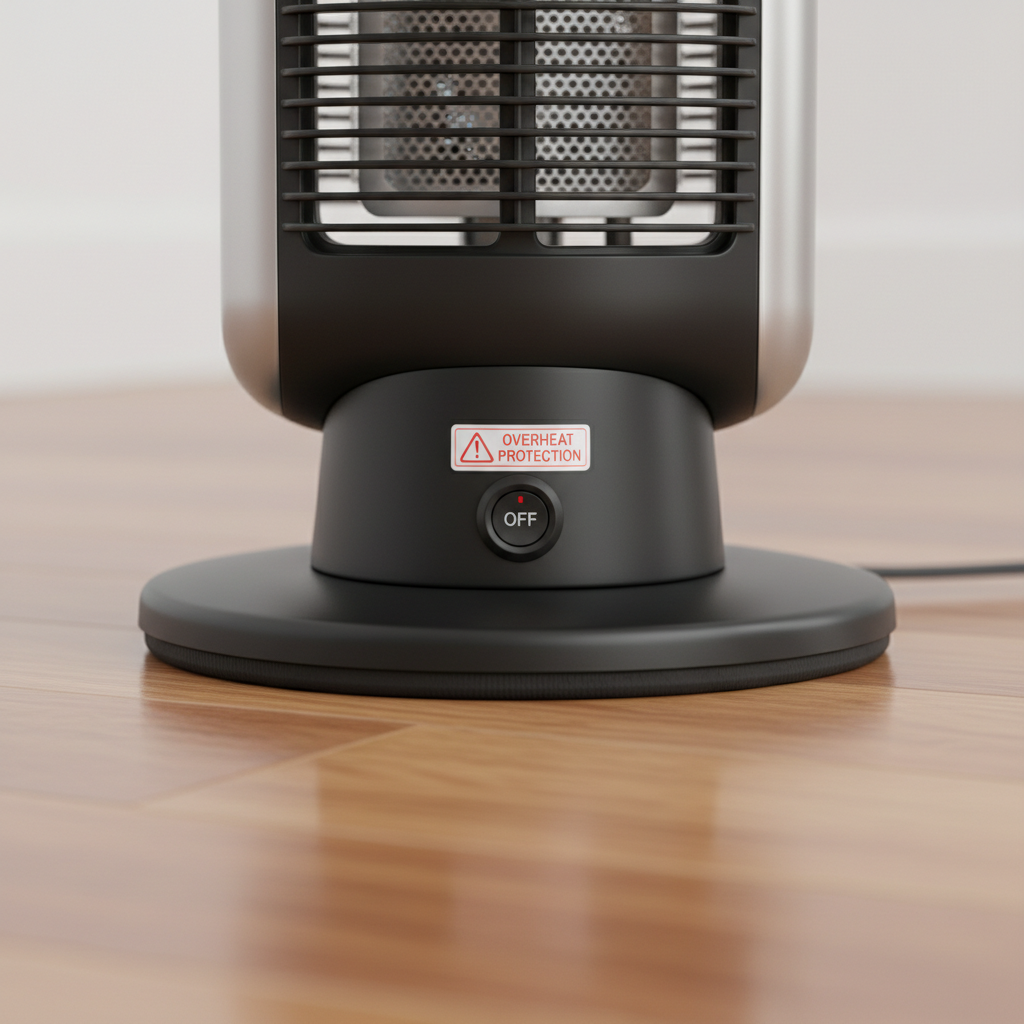
- Tip-over shutoff and overheat protection: non-negotiable for most bedrooms.
- Cool-touch housing: especially relevant with kids or pets, though some heater types naturally run warmer on the surface.
- UL or ETL listing: a practical sign the unit was tested to a recognized safety standard.
- Timer: useful if you want heat for the first hour of sleep, not all night.
According to National Fire Protection Association (NFPA), keeping heaters away from bedding, curtains, and anything that can burn is a key prevention step. That matters in bedrooms where fabric is everywhere.
Self-check: which “quiet heater” situation are you in?
This quick list helps you avoid buying a heater that’s technically quiet but wrong for your room.
- I wake up from small sounds: lean fanless (oil-filled or a well-reviewed radiant panel).
- I need fast heat before bed: ceramic fan heaters can work, but prioritize low mode and stable thermostats.
- My bedroom is under 150 sq ft: you can often run lower power settings, which tends to reduce noise.
- I’m heating near a desk corner: spot heating (radiant/infrared) can feel warmer without blasting airflow.
- I hate bright LEDs: check for display dimming or fully-off display options.
If you’re unsure, think in this order: room size → sleep sensitivity → placement constraints. Most returns happen because buyers start with “most popular” instead.
How to choose the right heater for your bedroom (practical steps)
Here’s a buying flow that usually gets people to a good pick quickly, without obsessing over tiny spec differences.
Step 1: Match heat output to real room size
Many portable units top out around 1500W. That can be enough for a typical bedroom, but insulation, ceiling height, and drafts change the result. If your room runs cold because of older windows, you may still be comfortable, but you’ll notice more frequent cycling, which sometimes means more audible clicks.
Step 2: Decide whether you can tolerate any fan noise
- No fan tolerance: start with oil-filled radiators, then look at radiant panels.
- Some fan noise is fine: ceramic fan heaters offer quicker warm-up and smaller footprints.
Step 3: Filter listings by the “boring” features
- Tip-over shutoff, overheat protection, UL/ETL
- Thermostat (digital tends to be easier to control)
- Timer or schedule if you don’t want overnight runtime
- Noise info (decibels if provided, or consistent review mentions)
Step 4: Plan placement before you click buy
Bedrooms are tight. If the only spot is near curtains or bedding, pick a heater style that fits with safer clearance. Even a truly quiet unit becomes a bad choice if it forces risky placement.
Setup tips to make a heater quieter in real life
Sometimes you already own a decent heater, it’s just louder than it needs to be because of the environment. These tweaks often help more than people expect.
- Put it on a stable surface: a solid floor beats a hollow nightstand that resonates.
- Use lower settings when possible: lower fan speed usually equals lower perceived noise.
- Avoid pushing it against walls: restricted airflow can increase fan strain and noise.
- Clean the intake: dust buildup can create hiss or vibration; unplug first and follow the manual.
- Don’t rely on extension cords: if you need one, ask an electrician about safe options for your setup.
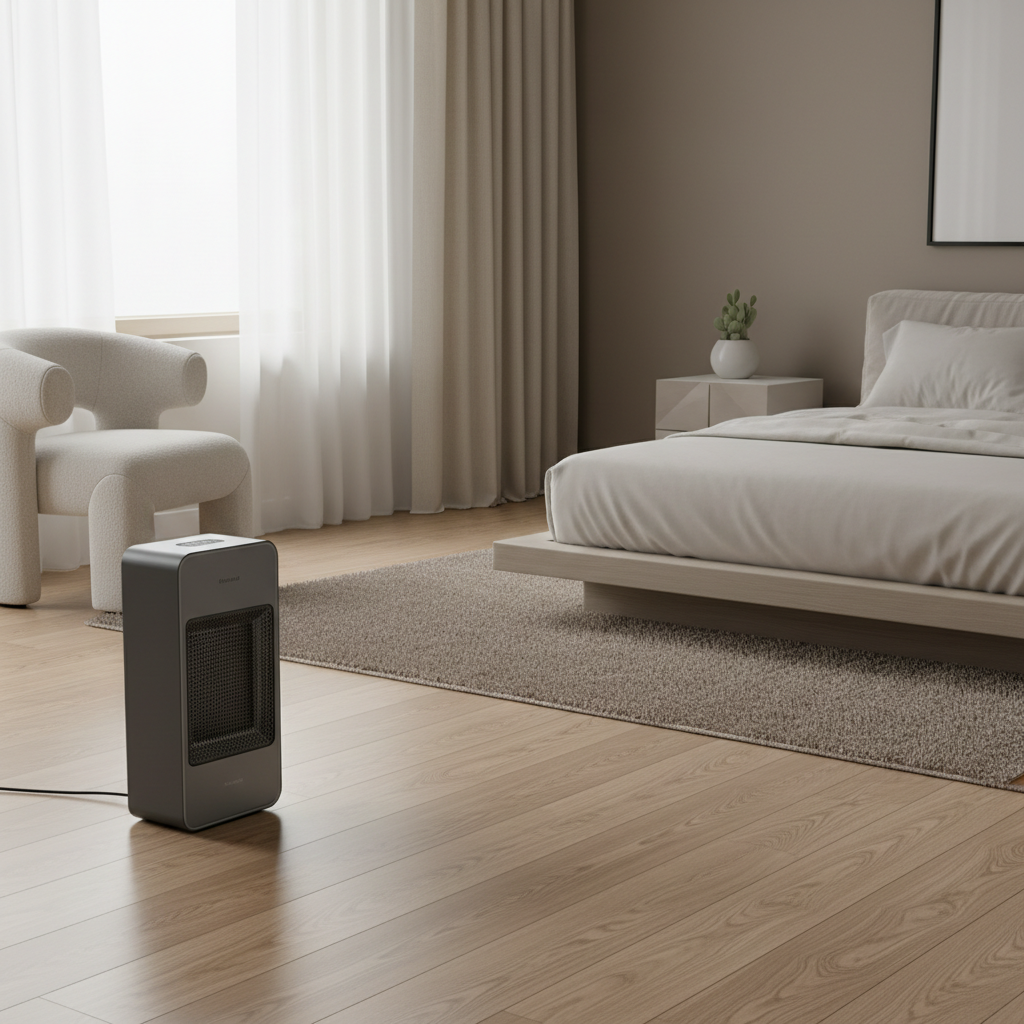
One more practical point: if you’re chasing the best quiet space heaters for bedrooms, the room’s baseline noise matters. A white-noise machine or a fan in another part of the room can mask small relay clicks better than you’d think, though it’s personal preference.
Mistakes that make “quiet” heaters feel disappointing
These are the patterns that show up when people tell me, “It works, but I don’t like it.” They’re not always product defects, they’re expectation mismatches.
- Buying for speed when you want silence: fast heat often means forced air, and forced air makes sound.
- Ignoring cycling behavior: a quiet fan can still be annoying if the thermostat clicks frequently.
- Overheating the room: higher settings trigger more noticeable on/off changes, plus dry air discomfort for some people.
- Placing it too close: when it’s right by the bed, you’ll hear everything more clearly.
If you’re comparing reviews, scan for comments like “sleep,” “night,” “clicking,” “cycles,” and “returns.” Those words usually predict bedroom satisfaction better than “heats great.”
When to get professional help (or rethink the plan)
If your bedroom is consistently cold, a space heater can be a stopgap, but it may not solve the root issue. Consider asking a qualified professional if any of these show up:
- Frequent breaker trips, warm outlets, or flickering lights when the heater runs
- Drafts or moisture issues around windows that make heating inefficient
- Older wiring where adding a high-wattage device feels risky
For electrical questions, an electrician can advise on circuit capacity and safer outlet placement. For comfort issues, an HVAC pro can help you figure out whether insulation, duct balance, or a thermostat problem causes the cold room.
Conclusion: a quiet bedroom heater is usually the one you stop noticing
The best purchases here are rarely the flashiest. If you want sleep-first comfort, start with fanless options and solid safety basics, then narrow by room size and placement. If you need quick heat, pick a well-reviewed ceramic unit and plan to run it lower and earlier, not blasting high all night.
Action steps: shortlist two heater types that fit your noise tolerance, then check for UL/ETL, tip-over shutoff, and review mentions of nighttime use before you buy. That approach lands you in the “quiet enough” zone without overthinking it.
FAQ
What type is usually the quietest space heater for a bedroom?
Oil-filled radiators are often the quietest because there’s no fan. They can still make occasional soft ticks as materials expand, but many people find that less disruptive than airflow noise.
Are ceramic heaters too loud for sleeping?
Not always. Many are fine on low mode, especially in smaller rooms, but if you’re a light sleeper the fan sound and thermostat cycling can become noticeable.
How can I tell if a heater will click on and off a lot at night?
Look for reviews mentioning “clicking,” “cycling,” or “thermostat.” Tight temperature control and running a lower setting in a smaller room can also reduce frequent switching.
Is it safe to run a space heater overnight in a bedroom?
It depends on the heater, placement, and your home setup. Many manufacturers allow overnight use if instructions are followed, but it’s wise to use tip-over and overheat protection, keep clearances from bedding, and follow guidance from organizations like NFPA. If you’re unsure, consider a timer and talk with a professional.
What wattage should I look for in a bedroom heater?
Many portable models max out around 1500W, which can be workable for a typical bedroom, though insulation and drafts change results. A unit that can run comfortably on a lower setting often feels quieter and steadier.
Why does my “quiet” heater sound louder on carpet?
Carpet can make the heater less stable, leading to subtle vibration or a slight tilt that changes airflow. A firm, level surface usually reduces noise and improves safety.
Do air purifiers or white-noise machines help with heater noise?
For some people, yes. A consistent background sound can mask small clicks and low fan hum, though if the heater has a strong tonal noise, masking may not be enough.
If you’re trying to narrow down the best quiet space heaters for bedrooms but keep getting stuck between “silent” and “actually warm,” it may help to list your room size, where the heater can safely sit, and how sensitive you are to fan noise, then compare options within one heater type instead of mixing everything together.