
Best Counter Depth Refrigerators for Small Kitchens: What Actually Matters
Best counter depth refrigerators for small kitchens usually come down to three things you can’t fake: the real depth with doors and handles, usable interior layout, and how the door swings in a tight walkway. If you get those right, most modern brands will feel “good enough” day to day, even in a compact space.
Small kitchens punish the wrong purchase fast, a fridge that sticks out turns into a shoulder-check obstacle, and one that technically fits can still feel cramped if shelves waste space or drawers don’t open fully. The goal is a refrigerator that reads clean and built-in from the front, while still holding groceries without constant Tetris.
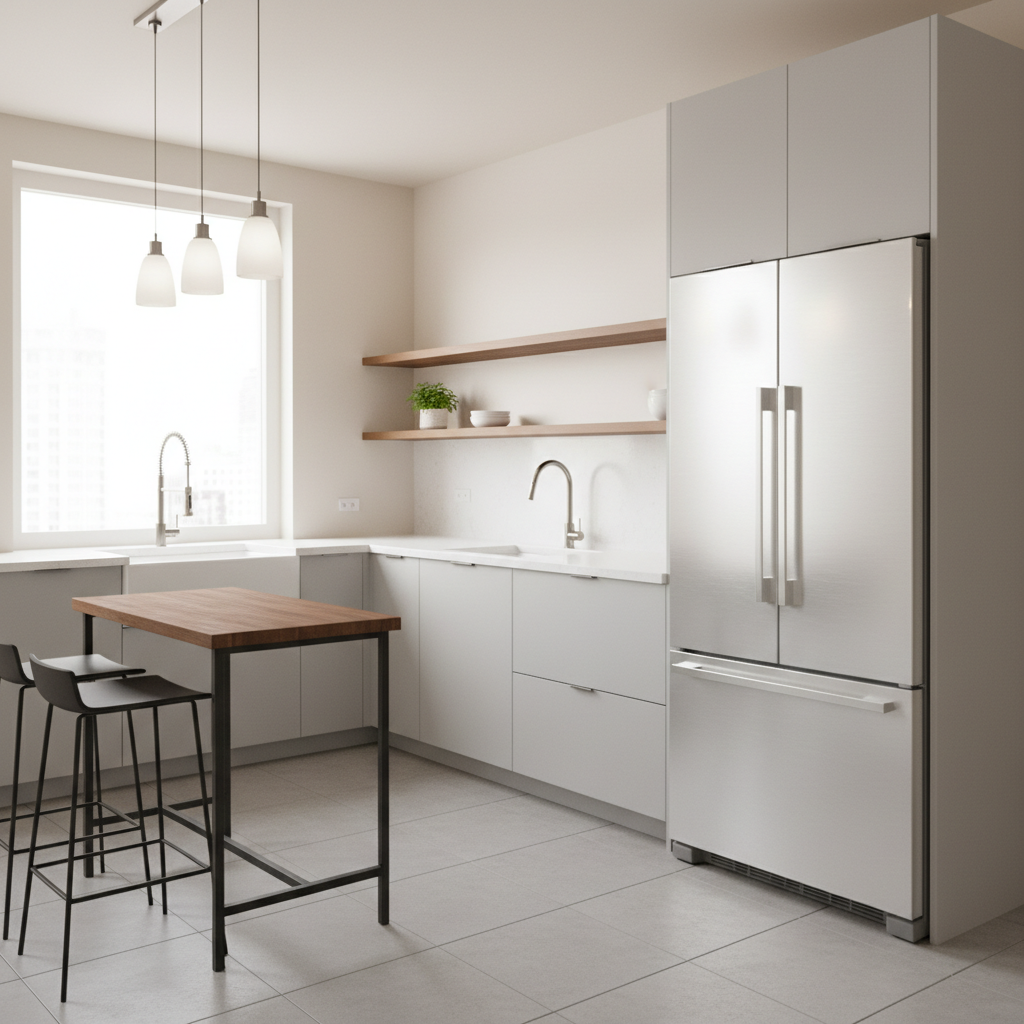
I’ll walk through how to judge fit, which configurations tend to work best in tight rooms, a quick comparison table, and a practical shortlist of models and features to look for, without pretending there’s one “perfect” fridge for every home.
Why counter-depth fridges make sense in small kitchens
Counter-depth models are designed to reduce how far the refrigerator protrudes past standard base cabinets. In many kitchens that means less visual clutter and a cleaner traffic lane, which matters more than people expect when you’re passing by it dozens of times a day.
What surprises shoppers is that “counter depth” isn’t a strict standard. Brands often measure the cabinet box one way, but your real-world depth depends on door thickness, handle style, and required ventilation clearance.
- Cleaner aisle space: Less bumping into corners and handles when the kitchen is narrow.
- More built-in look: Flush alignment helps small rooms feel calmer.
- Trade-off: Many counter-depth units give up some capacity compared with standard-depth models.
According to ENERGY STAR, refrigerator energy use varies by size and features, so when you’re comparing models that look similar, it’s worth checking the energy label rather than guessing based on brand alone.
Fit mistakes people make (and how to avoid them)
If you’re hunting for the best counter depth refrigerators for small kitchens, fit errors are the #1 reason people regret the purchase. Not because the fridge is “bad,” but because measurements were taken the optimistic way.
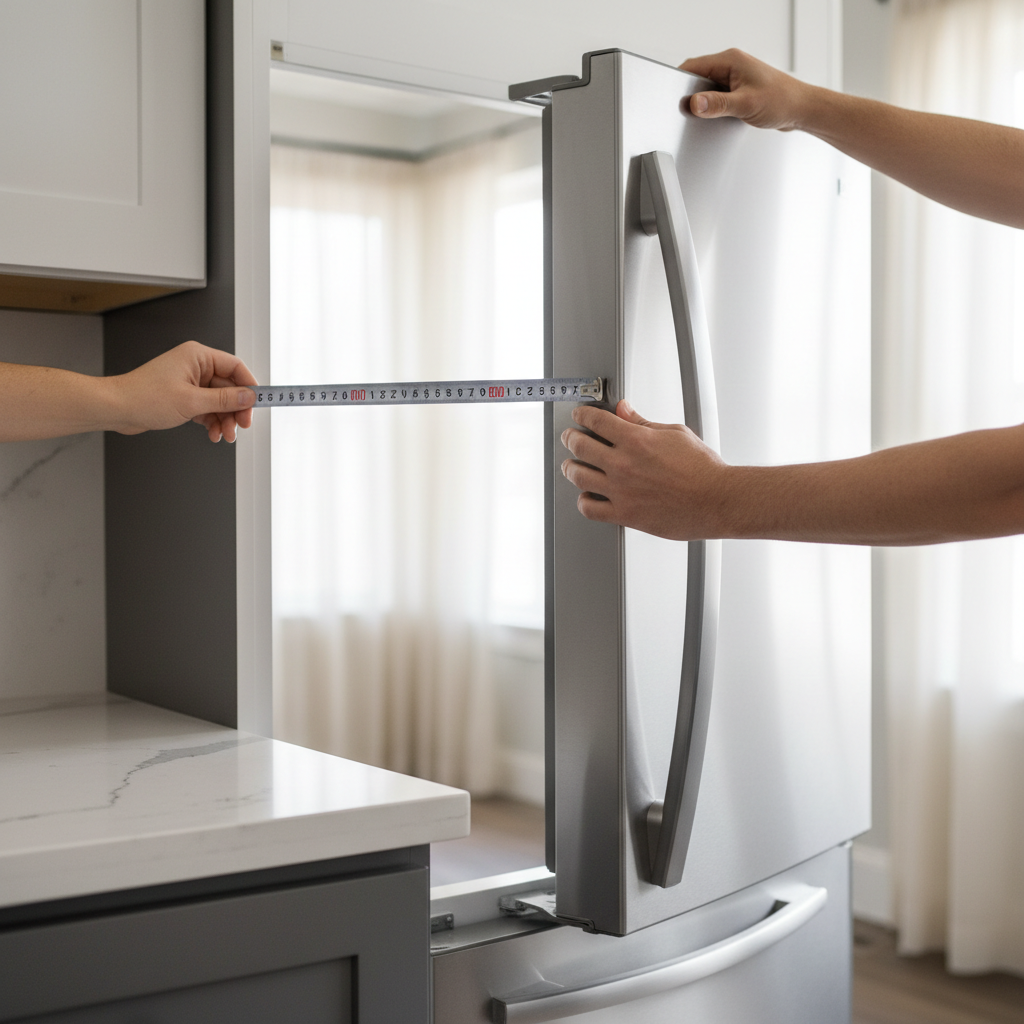
Measure depth the way installers do
- Depth with doors and handles: This is the number that affects walkways.
- Depth with doors open: In tight kitchens, you want enough clearance to pull crispers out.
- Hinge clearance: Some doors need extra space on the hinge side to swing fully.
Don’t ignore delivery reality
- Measure doorways, turns, and stair landings, not just the fridge alcove.
- Plan for removing doors/handles if needed, many deliveries do this, but policies vary.
According to the National Kitchen & Bath Association (NKBA), good kitchen planning prioritizes clearances and functional work zones, so treating “fit” as more than just width helps avoid headaches later.
Quick comparison table: which style works best in tight spaces?
Here’s the honest, practical view, each layout has a “small kitchen sweet spot,” but it depends on how you shop and cook.
| Configuration | Why it’s good for small kitchens | Common drawback | Best for |
|---|---|---|---|
| French door | Narrower door swing than a single wide door | Less usable width on shelves, freezer drawer reach | Fresh food access, weekly grocery runs |
| Bottom freezer (single door) | Often simpler interior, decent capacity per inch | Wide door swing can be awkward in tight aisles | People who want fewer moving parts |
| Side-by-side | Very narrow door swing, easy to open near an island | Narrow compartments limit pizza boxes, platters | Very tight walkways and frequent freezer use |
| Column / built-in style | Most “flush” look, flexible placement | Cost, may require pro install and panels | Remodels and premium layouts |
If you’re torn, here’s a quick shortcut: in many narrow kitchens, French door wins on daily comfort, while side-by-side wins when a tight aisle makes any big door swing annoying.
What to look for when shopping (features that matter more than hype)
Spec sheets can look impressive, but small kitchens benefit most from boring, practical details. This is where the “best counter depth refrigerators for small kitchens” category gets real, you’re buying convenience and predictability.
- True counter-depth footprint: Look for depth that stays reasonable even with handles.
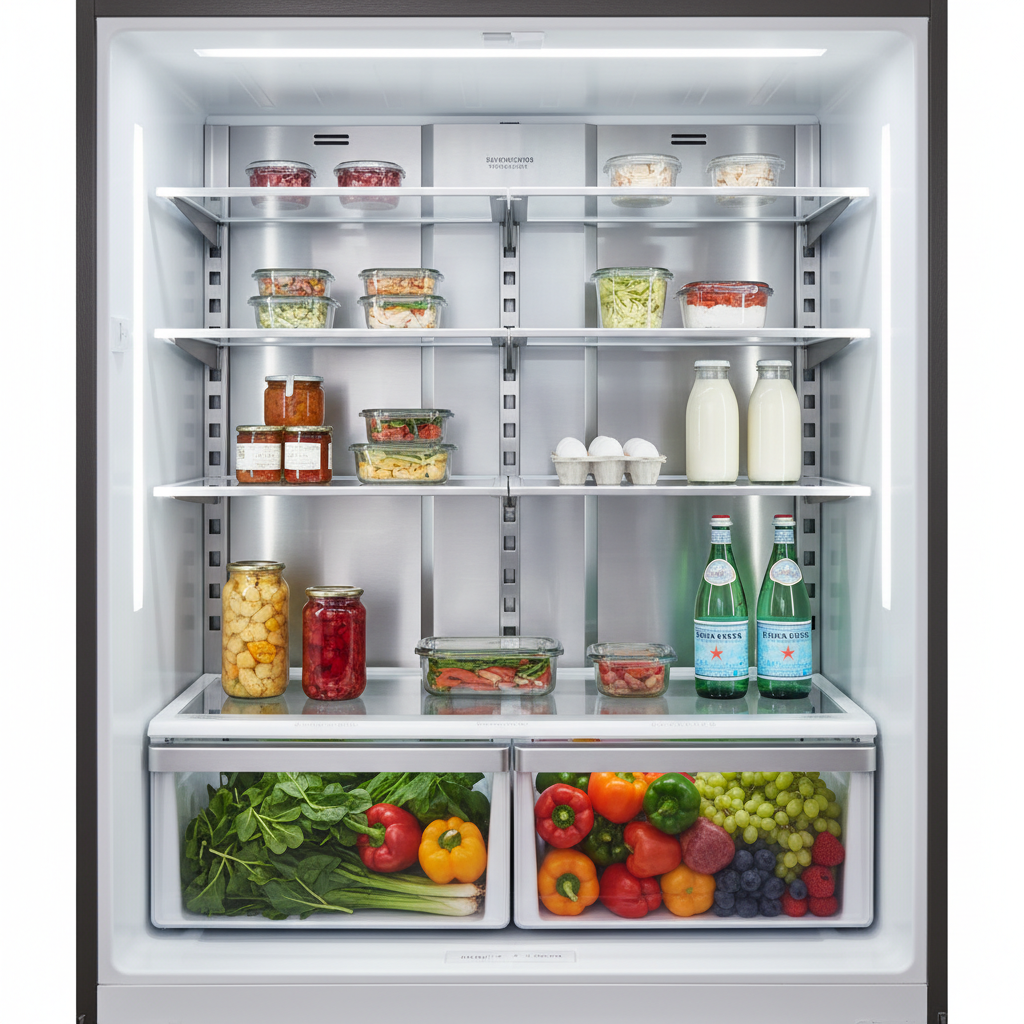
- Adjustable shelving with usable spacing: Fewer fixed shelves, more flexibility for tall items.
- Door bins that fit real stuff: Gallon jugs, tall bottles, and bulky condiments.
- Crispers that open fully: In tight installs, some drawers hit the door seal and stop short.
- Ice location matters: In-door ice saves freezer space, but can reduce fridge door bin space.
- Quiet operation: Open layouts make compressor and fan noise more noticeable.
According to the U.S. Food & Drug Administration (FDA), refrigerators should generally be kept at or below 40°F to slow bacterial growth, so reliable temperature control matters more than flashy screens.
Shortlist: strong picks by kitchen scenario (how to choose, not just what to buy)
I’m not going to pretend one list fits every home, but these are widely available lines in the U.S. that often show up when people shop counter-depth, and they’re worth comparing side by side at the store. Exact dimensions and features change by model year, so treat this as a starting shortlist, then verify the spec sheet for the unit you’re about to order.
If your aisle is tight and door swing is the problem
- Side-by-side counter-depth models from brands like Whirlpool, GE, and Frigidaire, typically easier to open near an island.
- Look for shelves that adjust easily, side-by-sides can feel “narrow” if the shelf layout is rigid.
If you want the most “normal” daily experience
- French door counter-depth models (GE Profile, Bosch, LG, Samsung), usually a good balance of access and looks.
- Prioritize a layout with a wide, usable deli drawer and doors that open past 90° if your wall is close.
If you hate clutter and want a built-in look without full built-in cost
- Counter-depth lines marketed as “flush fit” or “minimal gap,” common across Bosch and some GE Profile models.
- Be picky about handles, a chunkier handle can add surprising depth in a small kitchen.
If your kitchen is truly tiny (condo, apartment, narrow galley)
- Consider a smaller-width counter-depth unit if your cabinet opening is 30–33 inches, or even a high-quality apartment-size fridge.
- This can beat forcing a 36-inch class fridge into a space that will never feel comfortable.
One more real-world note, water dispensers and ice makers are convenient, but they add complexity. If your household rarely uses them, skipping that feature can sometimes mean more interior space and fewer future repairs, though reliability varies by product and maintenance.
Self-check: are you choosing the right size and layout?
Before you commit, run this quick checklist. It catches most “it fit on paper” mistakes.
- I measured: width, height, depth to cabinet face, and depth with handles.
- I accounted for: door swing, hinge clearance, and whether drawers can open fully.
- I confirmed: the water line location if buying a dispenser/ice model.
- I know my habits: lots of frozen foods favors easy freezer access, big produce shoppers need good crispers.
- I checked the plug: outlet placement and cord length, especially in older kitchens.
If two models both “fit,” pick the one that feels easier to live with, smoother drawers, better shelf adjustability, and a door you can open without doing a sidestep. Those little friction points add up fast in a small room.
Practical buying tips (so you don’t overpay or under-buy)
When people search for the best counter depth refrigerators for small kitchens, they often end up comparing prices more than experience. Price matters, but a few checks keep you from buying the wrong “deal.”
- Bring painter’s tape: Mark the fridge footprint on your floor at home, it’s a quick reality check.
- Read the spec sheet line by line: Look for “depth with handles” and “depth without doors” to understand what’s being measured.
- Prioritize serviceability: Check warranty terms and whether local repair support exists for that brand.
- Don’t chase maximum cubic feet: In small kitchens, layout often beats raw capacity.
If you’re sensitive to noise or you live in a studio-style layout, it’s reasonable to ask the retailer about return policies and installation requirements. For anything involving water lines, shutoff valves, or unexpected plumbing, it’s usually safer to hire a qualified installer or plumber.
Conclusion: the simplest way to choose confidently
The best counter-depth refrigerator in a small kitchen is the one that fits with handles, opens without drama, and stores your normal groceries without constant rearranging. That’s the whole game, looks are nice, but daily usability wins.
If you want one clear next step, measure depth the strict way and shortlist two configurations that match your aisle, French door for general comfort, side-by-side for the tightest swings. Then compare interiors in person, because shelf geometry is where “good” turns into “annoying.”
If you’re ready to buy soon, take your measurements, your must-have features, and your deal-breakers, and build a short list of three models max. That keeps the decision from spiraling.